Anker · Portable power station
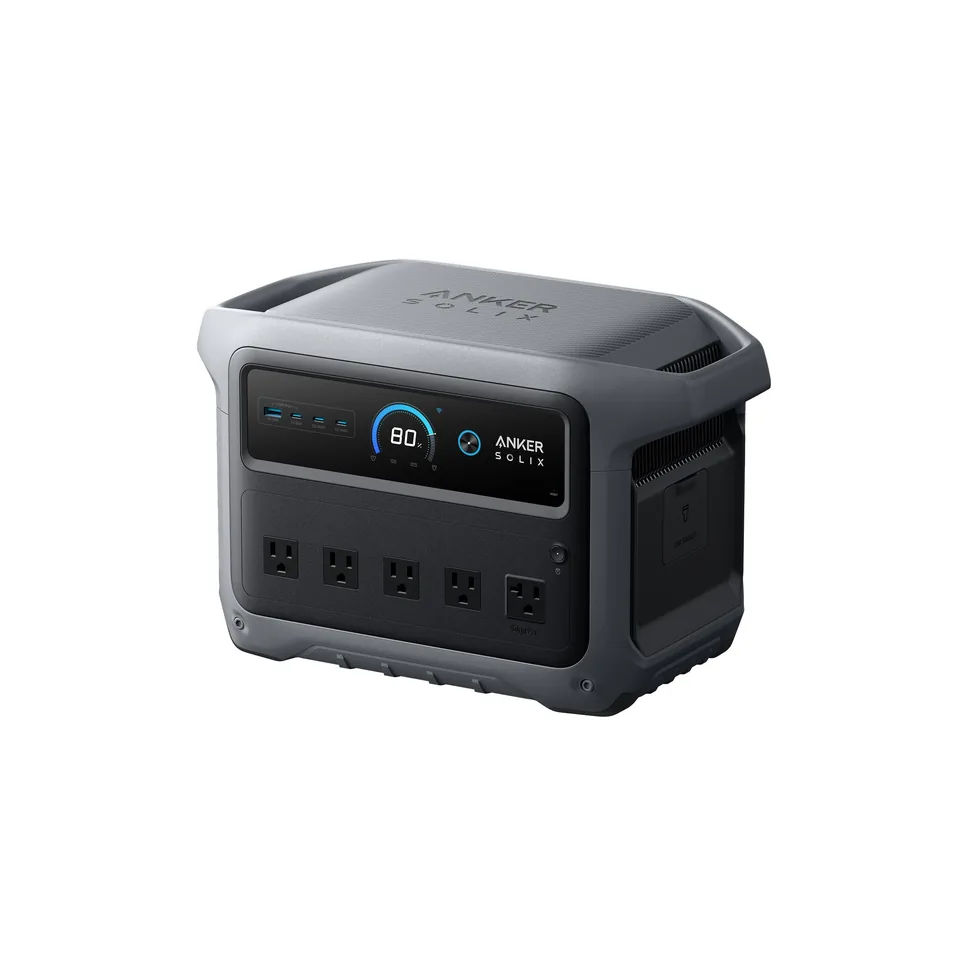
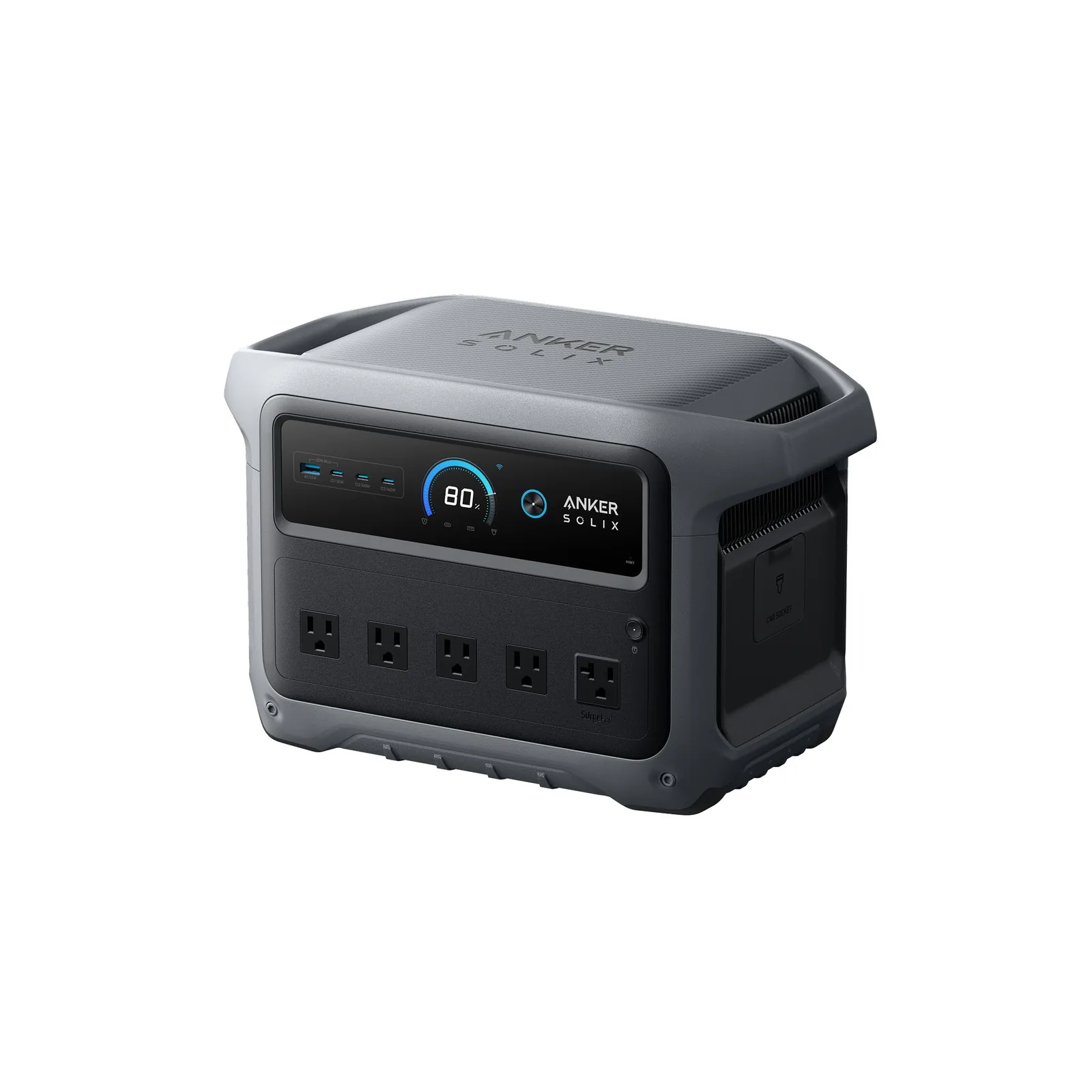
Anker SOLIX C1000 Gen 2 Portable Power Station (1024Wh)
The 1 kWh station with the most output per pound and the fastest refill. Buy it over the DELTA 3 Plus if you will never add a battery; skip it if fan noise under load or expansion matters to you.
Ad disclosure: we earn a commission on Amazon links, at no cost to you. It never decides our picks. How this works
Photos
Pick it ifOutage backup for a fridge, kettle or coffee maker, tailgating and job-site tools, and anyone who values a lighter box and 2,000 W
Skip it ifPeople who plan to grow into a multi-kWh system, or who need quiet while it charges or works hard
At a glance
What stands out
- OutdoorGearLab drew 890 Wh of usable output, measured a 1,097 Wh per hour charge rate and named it Best Value for Most People in July 2026
- 2,000 W continuous and 3,000 W peak from a 24.9 lb unit, more output and less weight than the DELTA 3 Plus
- Flat to full in 49 minutes at 1,600 W in UltraFast mode; MacRumors saw about 1,200 W drawn in the default mode
- Ten ports including two 140 W USB-C outputs and five AC outlets
Flaws to know
- OutdoorGearLab and MacRumors both call the fan loud when charging fast or working near full output
- No extra-battery port, and the built-in light from Gen 1 is gone
- 600 W solar ceiling is 400 W below the DELTA 3 Plus
Key specs
- Capacity
- 1,024 Wh LFP, rated 4,000 cycles to 80 percent
- AC output
- 2,000 W continuous, 3,000 W peak (SurgePad)
- Outlets
- 5 AC, 2 USB-C (140 W each), 1 USB-C (15 W), 1 USB-A (12 W), 12 V car socket (120 W); 10 ports in total
- AC input
- 1,200 W standard, 1,600 W UltraFast; flat to full in 49 minutes (manufacturer)
- Solar input
- 600 W max, up to 60 V; about 1.8 hours to full (manufacturer)
- UPS switchover
- 10 ms (rated)
- Expansion
- None
- Weight
- 24.9 lb (25.2 lb on OutdoorGearLab's scale); 15.1 x 8.2 x 9.6 in
- Noise
- 20 dB (manufacturer, load not stated); loud fan near full output per reviewers
Who it's for
The SOLIX C1000 Gen 2 is for the buyer who wants the most inverter and the least weight at 1 kWh and does not care about adding batteries later. Its 2,000 W continuous rating runs a full-size refrigerator, a kettle or a coffee maker, and at 24.9 lb it is the lightest 1 kWh station on our best portable power stations list. OutdoorGearLab tested it against thirteen others for its July 2026 roundup, ranked it fifth overall and named it Best Value for Most People.
It is our fast-charging pick, and the natural alternative to the EcoFlow DELTA 3 Plus for anyone who reads the two spec sheets side by side and decides expansion is not worth paying for.
What stands out
Recharge speed. Anker quotes 49 minutes from empty with UltraFast mode enabled in the app, which raises the AC input from 1,200 W to 1,600 W. MacRumors saw about 1,200 W drawn in the default setting, and OutdoorGearLab measured an average charge rate of 1,097 Wh per hour, the best in its group, with a 56-minute standard charge. Solar input is 600 W at up to 60 V, for about 1.8 hours to full in strong sun, and the unit can take grid and solar at once with solar given priority.
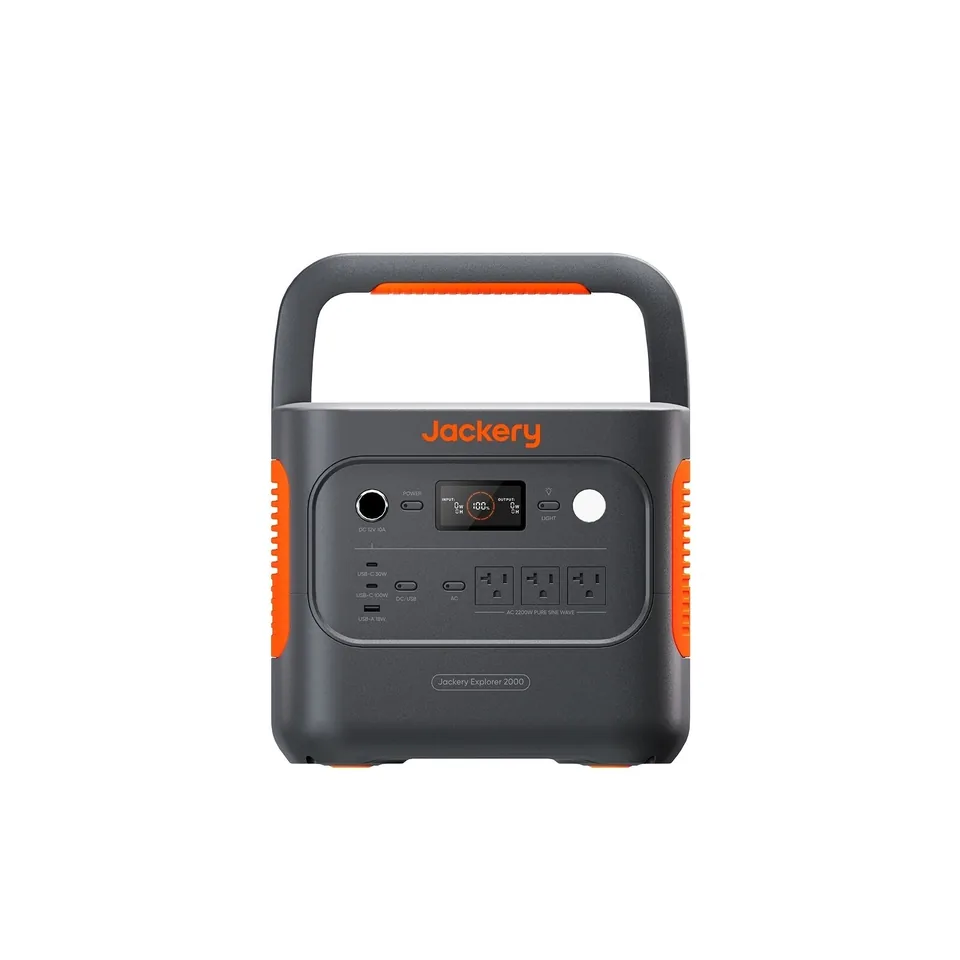
Output per pound. 2,000 W continuous and 3,000 W peak from a 24.9 lb box is a better ratio than the DELTA 3 Plus (1,800 W at 27.6 lb) and the Jackery Explorer 2000 v2 (2,200 W at 39.5 lb). OutdoorGearLab scored portability 8.3 out of 10 and singled out the power-to-weight ratio.
Usable capacity. OutdoorGearLab drew 890 Wh from the pack, about 87 percent of the 1,024 Wh rating, in line with StorageReview's 88.9 percent for the EcoFlow. Budget about 880 Wh of real work per charge; Techaeris puts a full-size refrigerator at up to half a day.
Ports and features. Ten ports: five AC outlets, two 140 W USB-C outputs, a 15 W USB-C, a 12 W USB-A and a 120 W car socket. The UPS is rated at 10 ms, the LFP pack at 4,000 cycles to 80 percent, and the app adds remote outlet control, charge and discharge limits and a time-of-use mode that charges from the wall when electricity is cheapest. OutdoorGearLab gave the feature set 9.0 out of 10.
Where it falls short
Fan noise. Anker rates the unit at 20 dB without saying at what load, and MacRumors found it near silent while charging small devices. Above that the picture changes: OutdoorGearLab calls the fan frustratingly loud near maximum output and notes the complaint carried over from Gen 1, and MacRumors would not sleep in the same room while it fast charges. The app can slow charging, which also quiets the fan.
No expansion. Gen 1 accepted an extra battery; Gen 2 does not. If you want to grow past 1 kWh you need Anker's larger C2000 line, or the EcoFlow.
Small losses. The built-in light from Gen 1 is gone, there is no wireless charging pad, and Techaeris noted there is no pouch for the cables. MacRumors hit firmware update failures before the app settled down. Solar input is capped at 600 W against 1,000 W on the DELTA 3 Plus. OutdoorGearLab scored raw power output only 6.0 out of 10, mostly because the larger stations in its group deliver more.
How it compares
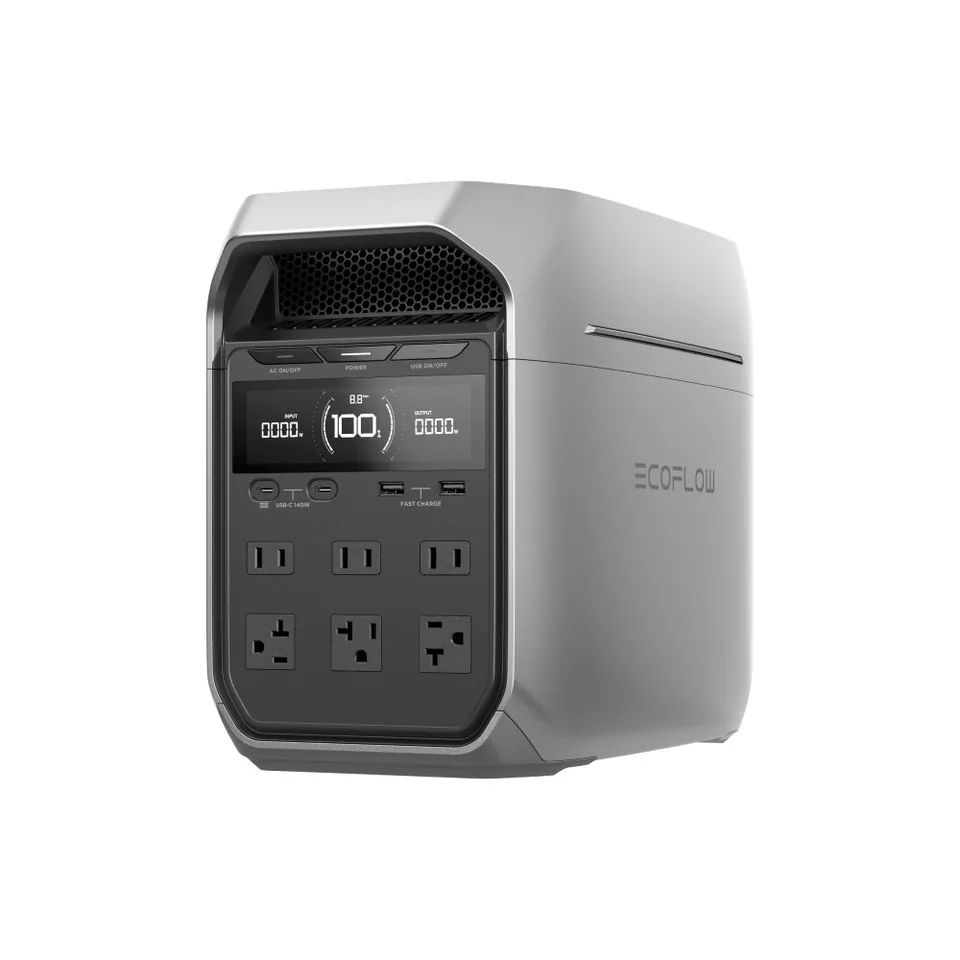
Against the EcoFlow DELTA 3 Plus: the Anker wins on output, weight and refill time; the EcoFlow wins on solar input, the sixth outlet, the IP65-sealed battery cells and the extra-battery port. Both have 10 ms or better switchovers and both run loud fans when pushed. If expansion is off the table, the Anker is the better value, which is also OutdoorGearLab's conclusion.
Against the Jackery Explorer 1000 v2, the other common 1 kWh option, OutdoorGearLab measured 910 Wh usable, 1,500 W continuous, a 563 Wh per hour charge rate (about half the Anker's), three AC outlets and a 400 W solar ceiling, and ranked it seventh with no award.
Against the BLUETTI Elite 100 V2, which BLUETTI lists at 1,024 Wh, 1,800 W, 25 lb, a 1,000 W solar ceiling and 45 minutes to 80 percent, the Anker gives up solar input and gains 200 W of output and a faster full charge.
Against the Jackery Explorer 2000 v2, the Jackery is the choice only if you need the second kilowatt-hour: OutdoorGearLab drew 1,710 Wh from it against 890 Wh from the Anker. The Anker runs most of the same appliances for about half as long, weighs about 15 lb less and takes 200 W more solar input.
Head to head: vs EcoFlow DELTA 3 Plus Portable Power Station (1024Wh)
| Feature | Anker SOLIX C1000 Gen 2 Portable Power Station (1024Wh) | EcoFlow DELTA 3 Plus Portable Power Station (1024Wh) |
|---|---|---|
| Capacity | Anker C1000 Gen 2: 1,024 Wh LFP, 4,000 cycles to 80% | EcoFlow DELTA 3 Plus: 1,024 Wh LFP, 4,000 cycles to 80% |
| AC output (continuous) | Anker C1000 Gen 2, better: 2,000 W Better | EcoFlow DELTA 3 Plus: 1,800 W (X-Boost to 2,200 W for one resistive load) |
| Surge | Anker C1000 Gen 2: 3,000 W | EcoFlow DELTA 3 Plus, better: 3,600 W Better |
| UPS switchover | Anker C1000 Gen 2: 10 ms rated | EcoFlow DELTA 3 Plus, better: Under 10 ms rated; just over 8 ms measured by StorageReview Better |
| Wall recharge | Anker C1000 Gen 2, better: 1,600 W UltraFast, 49 min to full (manufacturer); 1,200 W in default mode Better | EcoFlow DELTA 3 Plus: 1,500 W, 56 min to full (manufacturer); 55 min timed by The Solar Lab |
| Solar input | Anker C1000 Gen 2: 600 W max, about 1.8 h to full | EcoFlow DELTA 3 Plus, better: 2 x 500 W MPPT, 1,000 W total, about 70 min to full Better |
| Weight | Anker C1000 Gen 2, better: 24.9 lb (25.2 lb on OutdoorGearLab's scale) Better | EcoFlow DELTA 3 Plus: 27.6 lb |
| Outlets | Anker C1000 Gen 2: 5 AC, 2 USB-C (140 W), 1 USB-C (15 W), 1 USB-A, 12 V car | EcoFlow DELTA 3 Plus, better: 6 AC, 2 USB-C (140 W), 2 USB-A, 12 V car, 2 DC5521 Better |
| Expandability | Anker C1000 Gen 2: None | EcoFlow DELTA 3 Plus, better: One extra battery, up to 5 kWh Better |
| Warranty | Anker C1000 Gen 2: 5 years | EcoFlow DELTA 3 Plus: 5 years |
Bottom line. Buy the EcoFlow DELTA 3 Plus if there is any chance you will add a battery later, if you run solar above 600 W, or if you want the sixth outlet and the sealed battery module. Buy the Anker SOLIX C1000 Gen 2 if you are certain 1 kWh is the end state and you would rather have 2,000 W, a 49-minute recharge and a lighter box.
Verdict
Buy the SOLIX C1000 Gen 2 if you want the strongest, lightest, fastest-charging 1 kWh station and you are sure you will never bolt a battery onto it. Skip it if you need quiet under load, or if there is any chance you will want 2 kWh or more in a few years.
All 8 sources
- outdoorgearlab.com /reviews/camping-and-hiking/power-station/anker-solix-c1000-gen-2
- outdoorgearlab.com /topics/camping-and-hiking/best-power-station
- techaeris.com /2025/11/04/anker-solix-c1000-gen-2-review
- macrumors.com /review/anker-solix-c1000-gen-2
- ankersolix.com /products/c1000-gen2
- bluettipower.com /products/elite-100-v2-portable-power-station
- jackery.com /products/jackery-explorer-2000-v2-portable-power-station
- outdoorgearlab.com /reviews/camping-and-hiking/power-station/jackery-explorer-2000-v2
The other picks in Portable Power Stations
Compare all 4-
Best overall
EcoFlow DELTA 3 Plus Portable Power Station (1024Wh)
Check price on Amazon(paid link) for EcoFlow DELTA 3 Plus Portable Power Station (1024Wh) (opens in a new tab) -
Best budget
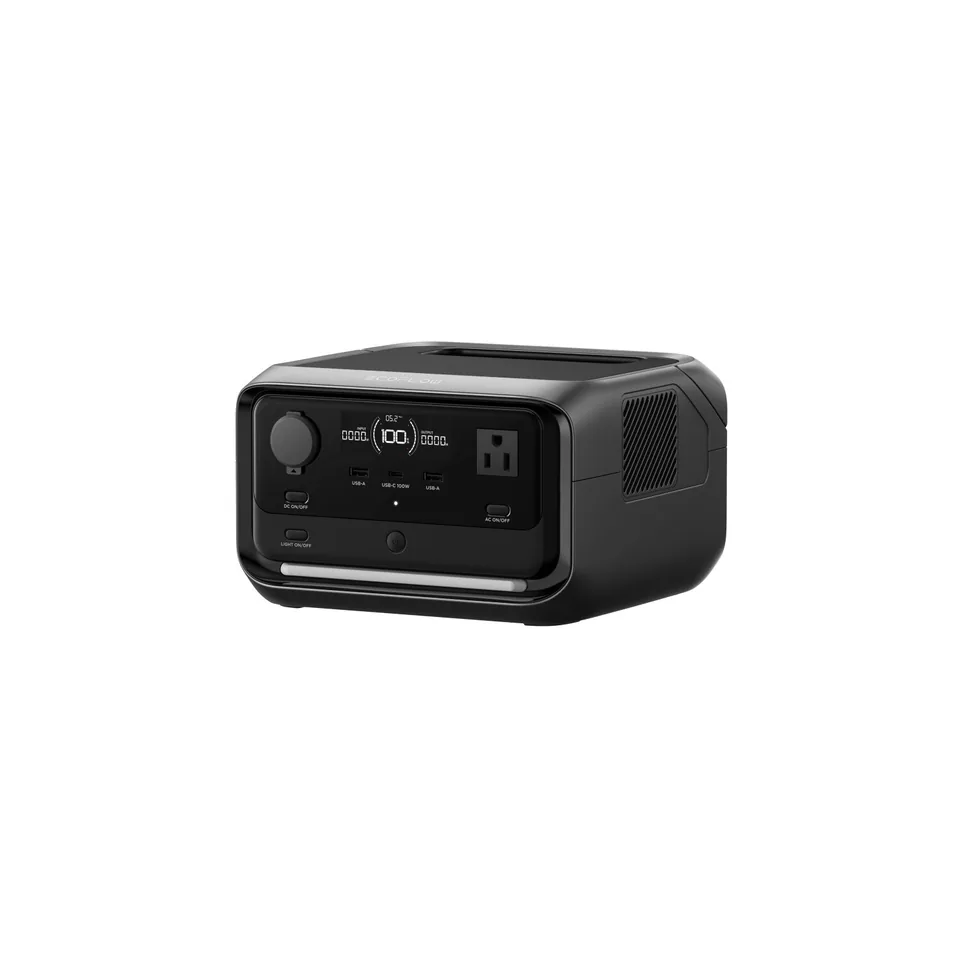
EcoFlow RIVER 3 Plus Portable Power Station (286Wh)
Check price on Amazon(paid link) for EcoFlow RIVER 3 Plus Portable Power Station (286Wh) (opens in a new tab) -
Best premium
Jackery Explorer 2000 v2 Portable Power Station (2042Wh)
Check price on Amazon(paid link) for Jackery Explorer 2000 v2 Portable Power Station (2042Wh) (opens in a new tab)