Image: EcoFlow
EcoFlow · Portable power station
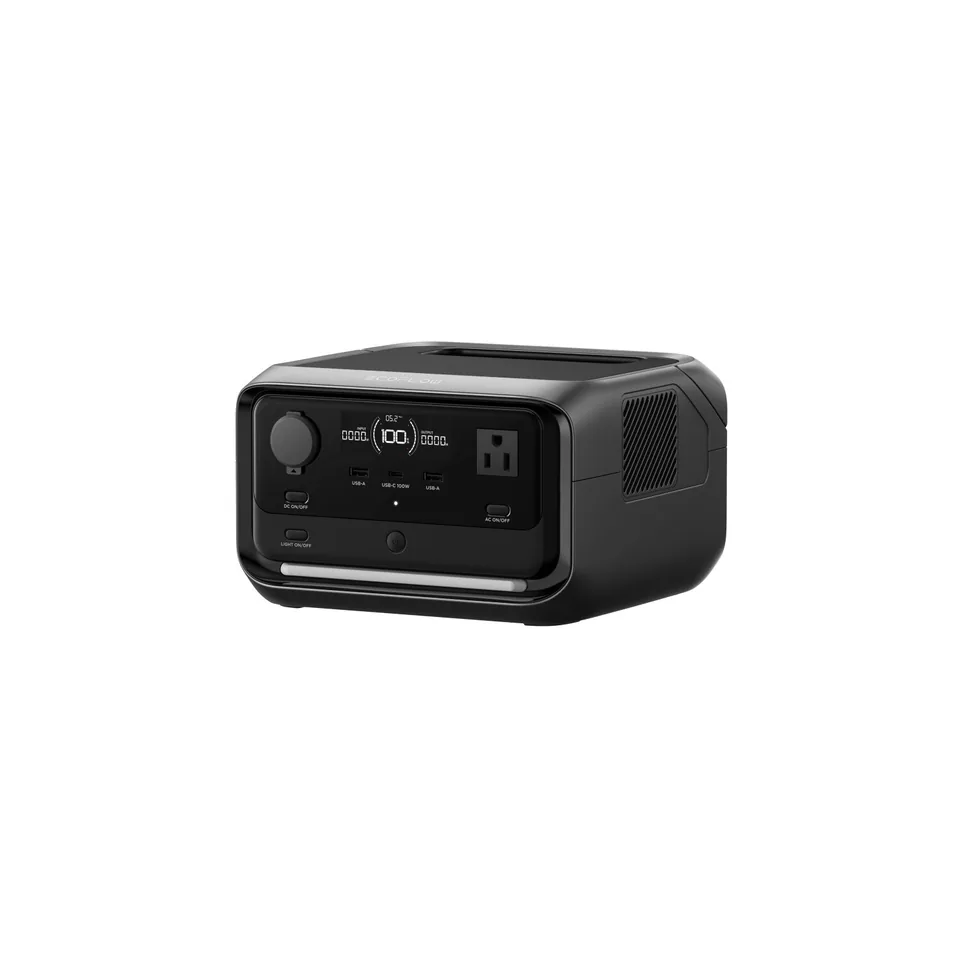
EcoFlow RIVER 3 Plus Portable Power Station (286Wh)
The small station to buy for a router, CPAP or laptop, or for a weekend of car camping. It has the same UPS speed as EcoFlow's big units at a quarter of the capacity, so match it to small loads.
Ad disclosure: we earn a commission on Amazon links, at no cost to you. It never decides our picks. How this works
Photos
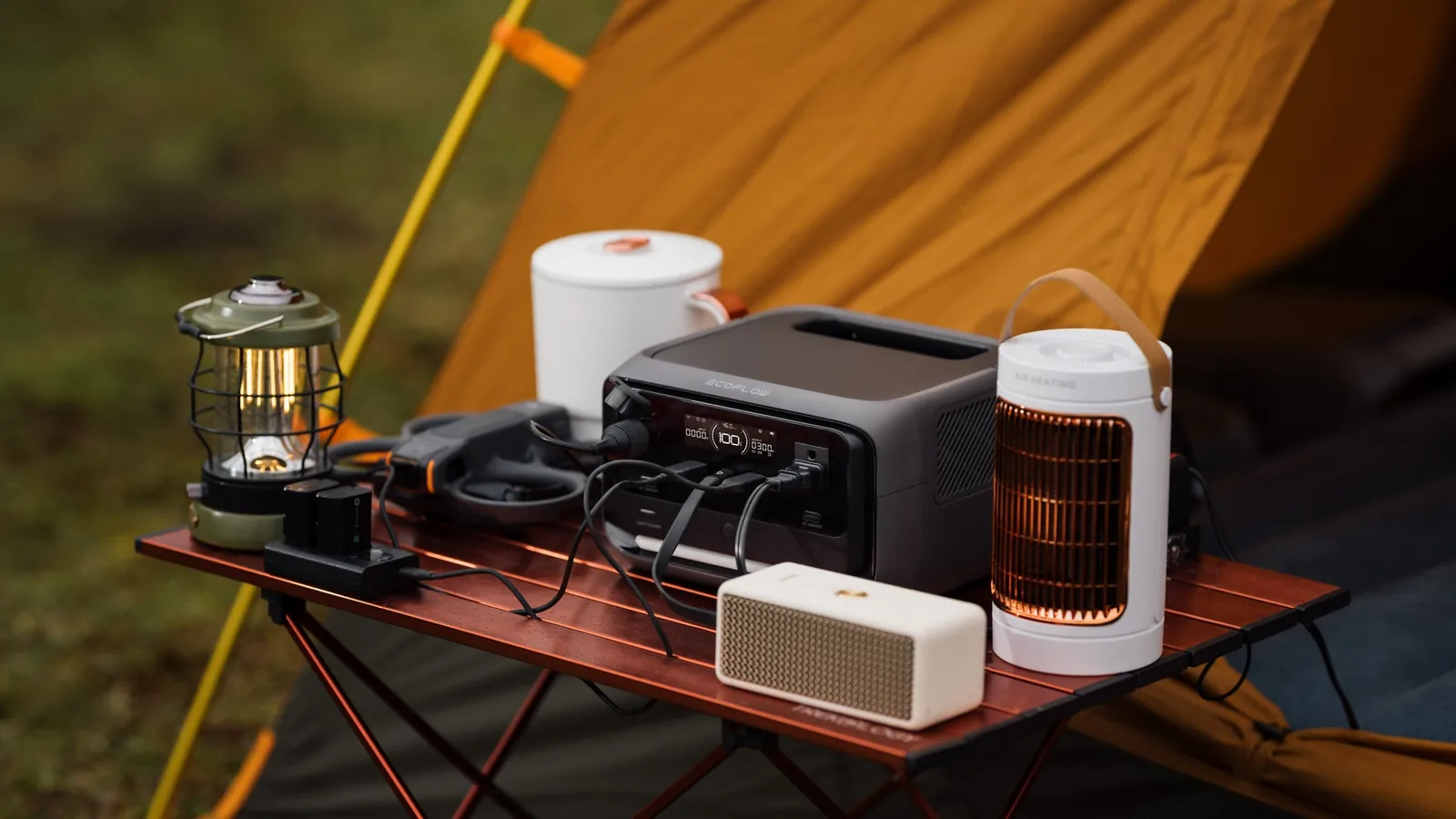
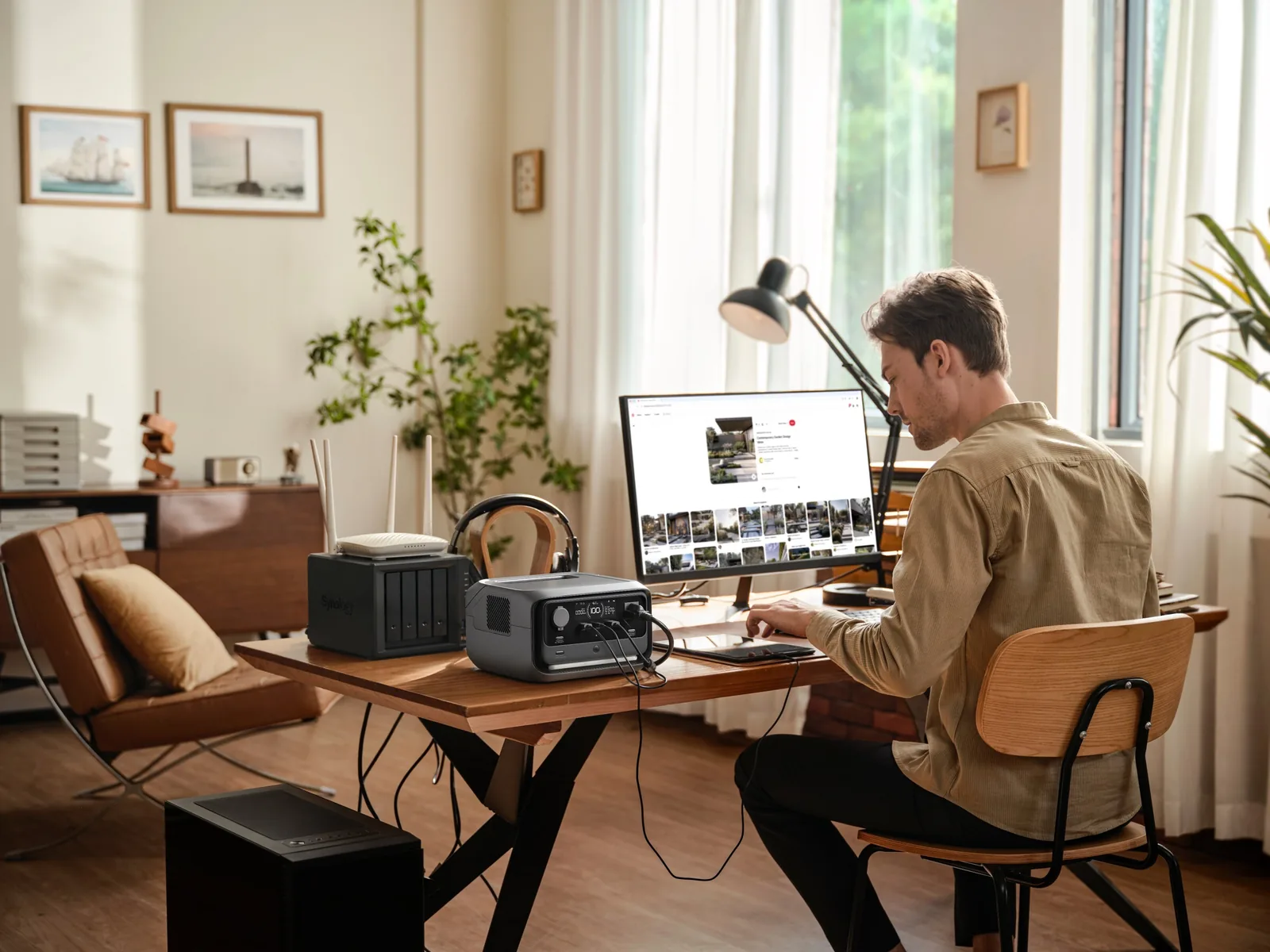
Pick it ifRouter and modem backup, CPAP users who travel, laptop workers, and car campers charging phones, cameras and a 12 V cooler
Skip it ifAnyone who wants to run a refrigerator, microwave or heater; 286 Wh and a 600 W inverter rule those out
At a glance
What stands out
- StorageReview measured a 9 ms switchover, so a router or desktop rides through an outage without a reboot
- 380 W wall input for a one-hour refill and a 220 W solar ceiling that is high for the capacity
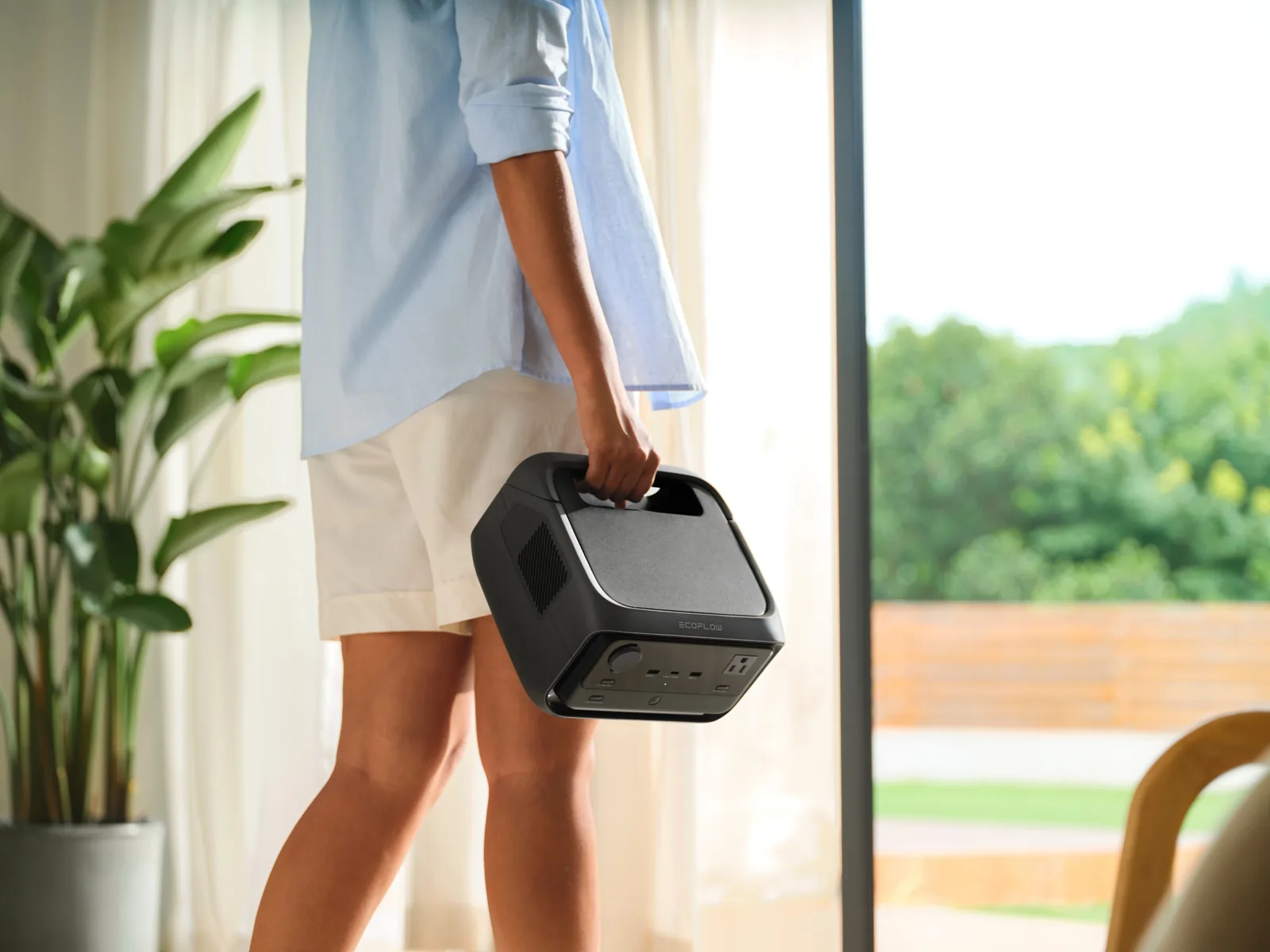
- 10.4 lb, under 30 dB, an IP54-rated battery, a 3 ft drop rating and a built-in light
- An EB300 or EB600 extra battery takes it to 572 or 858 Wh later
Flaws to know
- The 1,200 W X-Boost figure only applies to simple resistive loads; The Solar Lab warns it lowers voltage and advises against using it with laptops
- Two of the three AC outlets sit on the back, awkward against a wall or in a tent, per The Solar Lab
- One 100 W USB-C port and two 12 W USB-A ports are thin for a station aimed at electronics
Key specs
- Capacity
- 286 Wh LFP, rated 3,000 cycles to 80 percent
- AC output
- 600 W continuous pure sine; 1,200 W surge and X-Boost for resistive loads
- Outlets
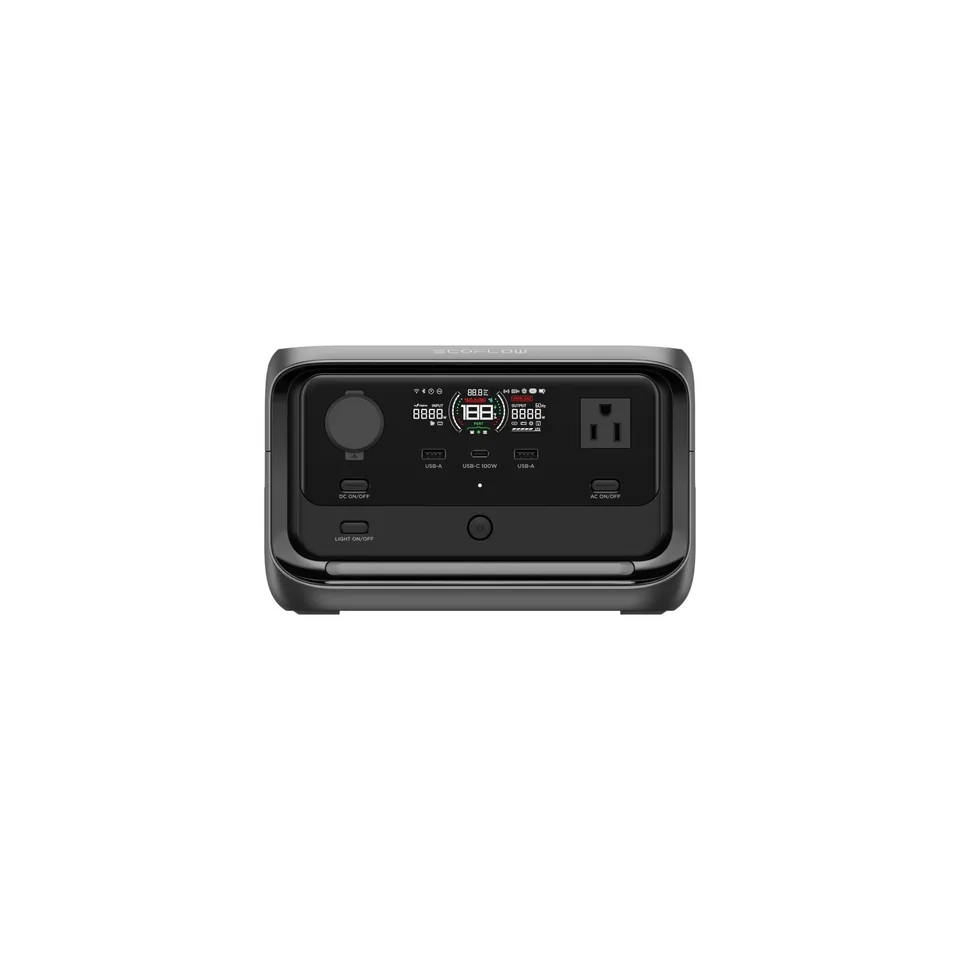
- 3 AC, 1 USB-C (100 W), 2 USB-A (12 W each), 12 V car socket (126 W)
- AC input
- 380 W; flat to full in about 60 minutes (manufacturer)
- Solar input
- 220 W max; about 1.5 hours to full (manufacturer). Car input 220 W, about 3.3 hours
- UPS switchover
- Under 10 ms rated; 9 ms measured by StorageReview
- Expansion
- One EB300 (to 572 Wh) or EB600 (to 858 Wh) extra battery
- Weight
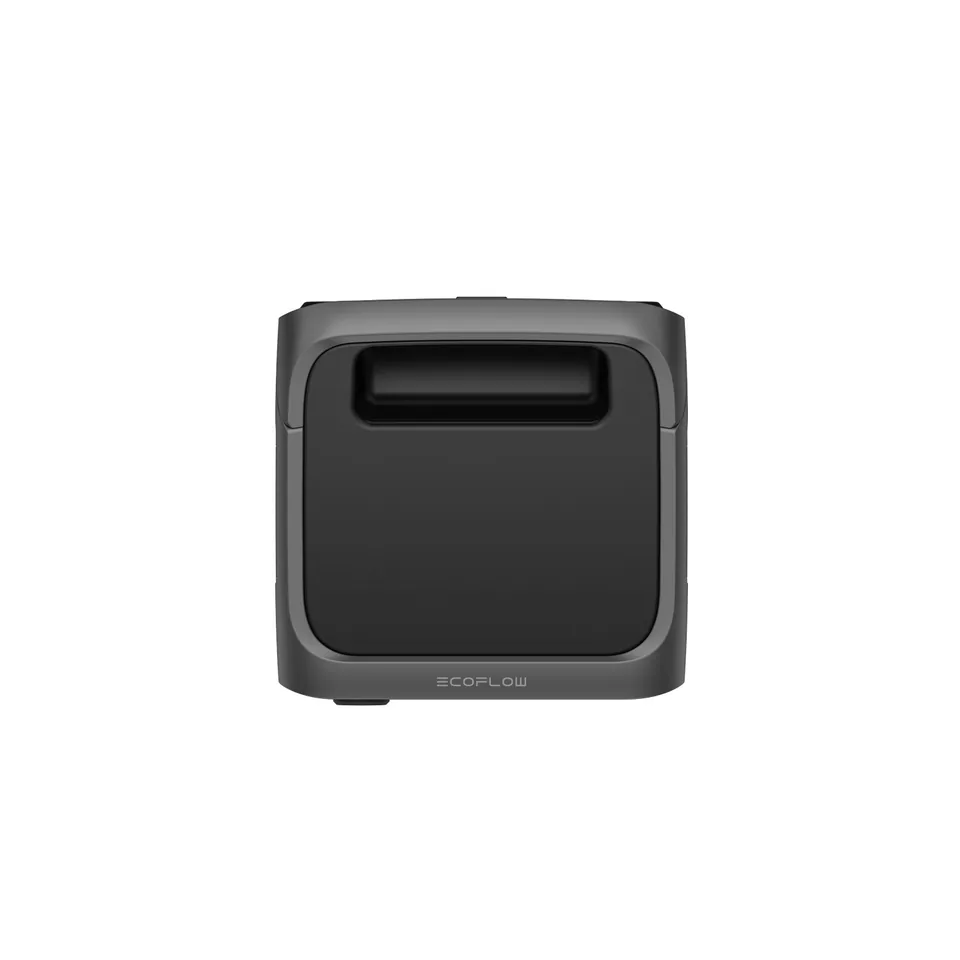
- 10.4 lb; 9.2 x 9.1 x 5.8 in; IP54 battery, 3 ft drop rating
- Noise
- Under 30 dB (manufacturer)
Who it's for
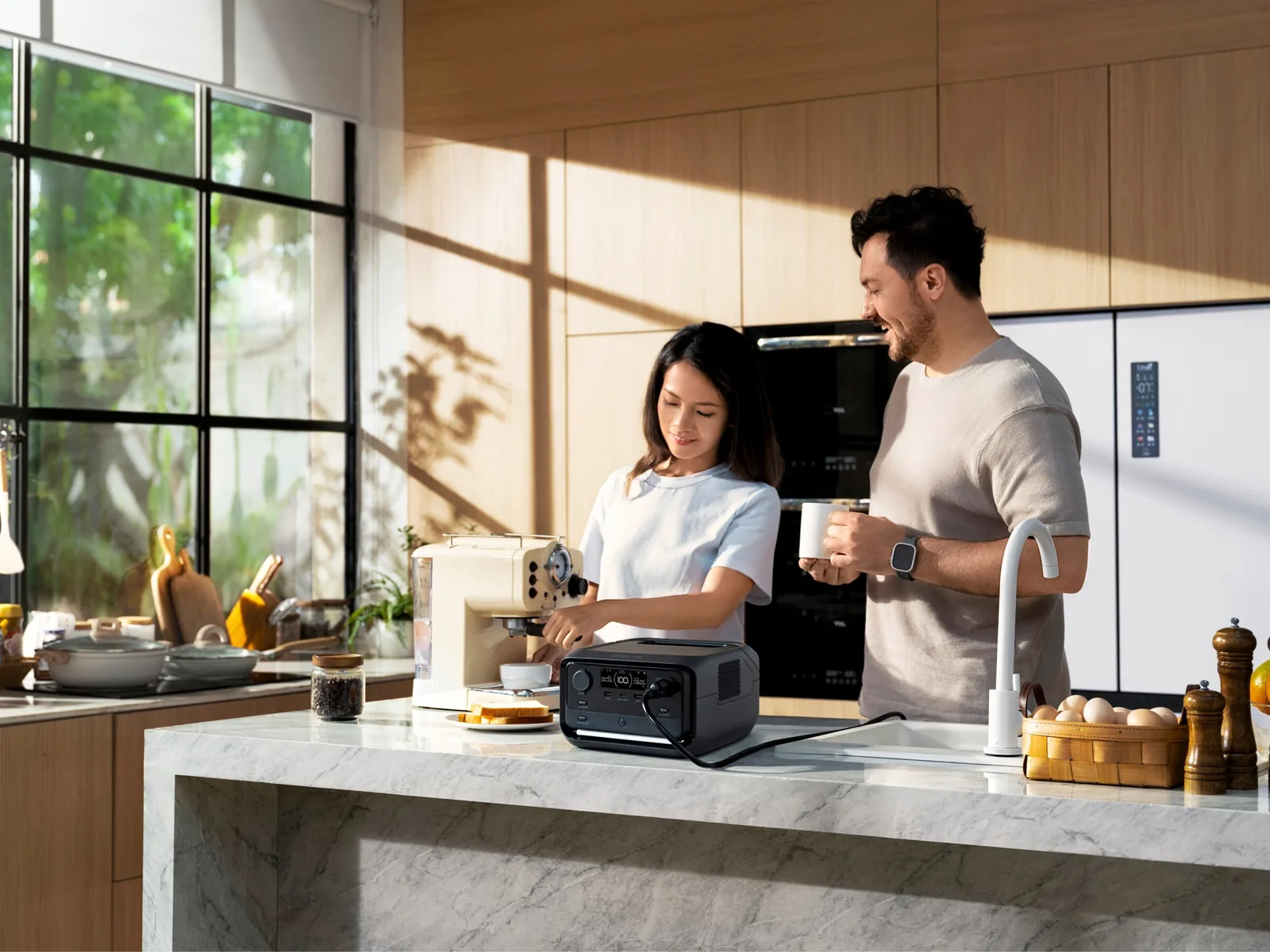
The RIVER 3 Plus is for people whose outage problem is small and specific: keep the internet up, keep a CPAP running overnight, keep a laptop working until the grid comes back. It is also the right size for car camping where the loads are phones, cameras, a fan and a 12 V cooler. It weighs 10.4 lb, stays under 30 dB at the loads it is built for, and carries the same sub-10 ms UPS that EcoFlow puts in the DELTA line, which nothing else this small on our shortlist can claim.
It is the budget pick on our best portable power stations list. It is not a shrunken home-backup unit; it is an electronics-backup unit, and it is honest about that once you ignore the X-Boost number on the box.
What stands out
UPS in a small box. StorageReview measured a 9 ms transfer against EcoFlow's under-10 ms rating, and kept a router and a desktop running through the cut without a flicker. All three AC outlets are UPS-protected. EcoFlow quotes up to 35 hours for a 3 W router from the 286 Wh pack, and a USB-B data port connects to its Power Manager software, which can shut a PC or NAS down cleanly when the battery runs low.
Charging. The AC input is 380 W and EcoFlow quotes an hour from empty; The Solar Lab logged about 360 W at the wall. The 220 W solar ceiling is generous for a 286 Wh pack, so a single 200 W panel refills it in an afternoon, and The Solar Lab reports a little over an hour under good sun. Car charging at 220 W takes about 3.3 hours.
Quiet and tough. EcoFlow rates it under 30 dB, The Solar Lab found it fine beside a bed with no fan noise or heat to notice, StorageReview lists an IP54 rating on the battery and a 3 ft drop rating, and there is a built-in light for a tent or a dark hallway.
Expansion and battery care. An EB300 extra battery (286 Wh) takes it to 572 Wh and an EB600 (572 Wh) to 858 Wh. The app can cap charging at 80 percent and stop discharge at 20 percent for a unit that lives plugged in as a UPS, which StorageReview recommends. The LFP pack is rated for 3,000 cycles to 80 percent, roughly ten years of daily use by EcoFlow's reckoning, and the warranty runs five years.
Where it falls short
Capacity and output. Allowing for inverter losses, 286 Wh runs a 40 W CPAP without a humidifier for around six hours and a 60 W laptop for about four; EcoFlow's own figure for a 600 W desktop is 21 minutes. A refrigerator will not run for long, and 600 W rules out kettles, microwaves and heaters. X-Boost advertises 1,200 W, but it works by lowering the output voltage, which is fine for a simple heating element and, per The Solar Lab, a risk to sensitive electronics such as laptops. Treat the inverter as 600 W.
Port layout. Two of the three AC outlets face backward, which The Solar Lab found awkward against a wall, inside a tent or in a small camper, and would trade for a taller box with every port on one face. There is one 100 W USB-C port and the two USB-A ports are 12 W each, so anyone charging several phones at once will want a small USB hub or the car socket.
Expansion value. Adding an EB600 gets you to 858 Wh with a 600 W inverter, which is close to the capacity of a 1 kWh station without its output. The Solar Lab makes the same point and recommends the unit on its own rather than as a bundle. If you already know you want more than 286 Wh, start with a bigger unit.
How it compares
The standard RIVER 3 is the cheaper sibling. StorageReview lists 245 Wh, a 300 W inverter with 600 W X-Boost, two AC outlets, 110 W of solar input, 7.8 lb and no expansion port, with a UPS rated under 20 ms and measured at about 10 ms. The Plus buys double the inverter, a third outlet, twice the solar input, a faster rated transfer and the extra-battery port.
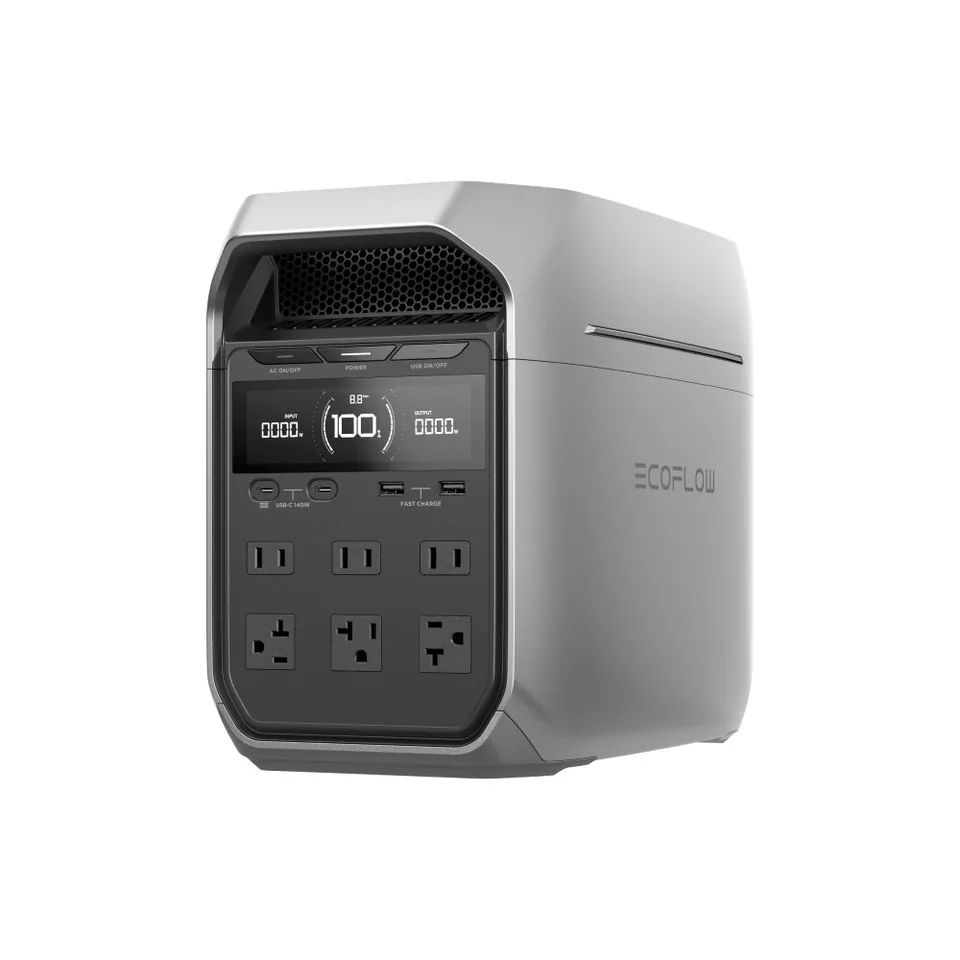
The EcoFlow DELTA 3 Plus is the step up: 3.6 times the capacity, three times the inverter, six AC outlets, 140 W USB-C and the same single-digit measured switchover, for 2.7 times the weight. If the loads you care about include a refrigerator, that is the one.
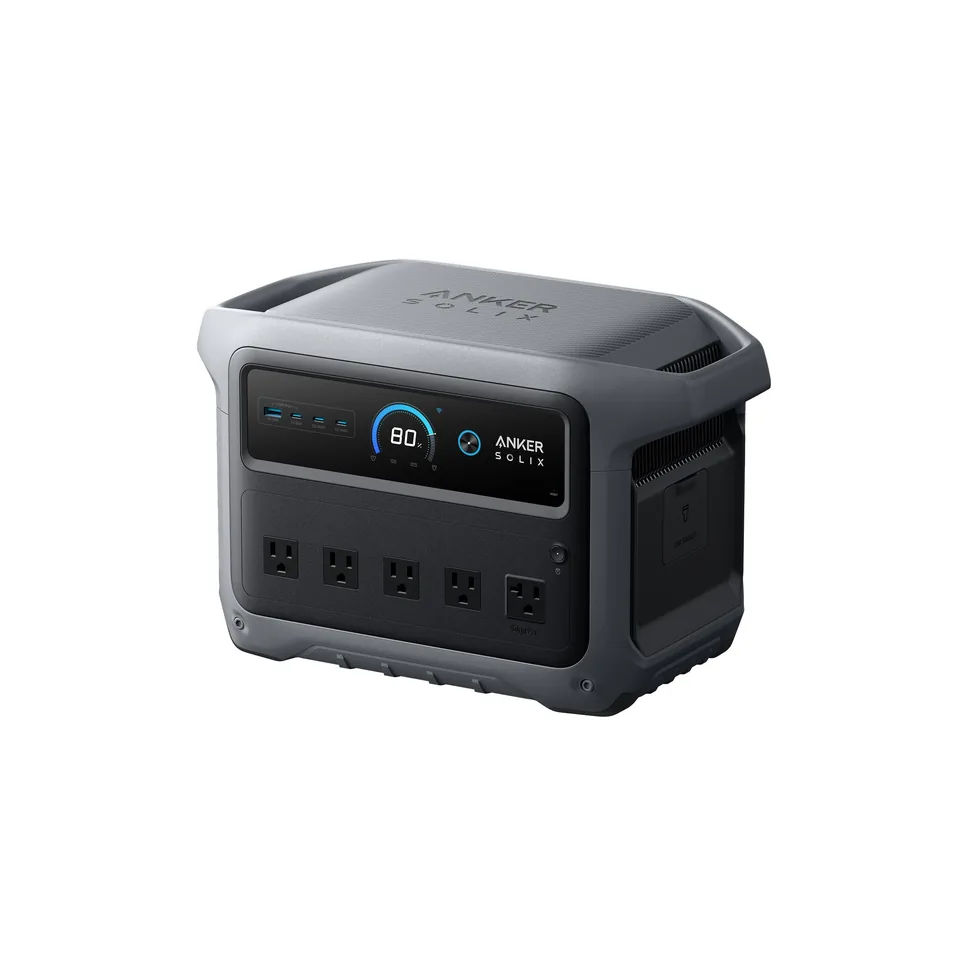
Against the Anker SOLIX C1000 Gen 2, the difference is sharper still: the Anker is a 2,000 W appliance-and-tool station with a loud fan under load, while the RIVER 3 Plus is a quiet electronics station. They solve different problems.
Verdict
Buy the RIVER 3 Plus if your list of must-run devices fits in a backpack: router, CPAP, laptop, phones, camera batteries, a 12 V fridge on a camping trip. Skip it if a refrigerator or anything with a heating element is on the list. For the small job it is the most complete station we found, and the measured UPS timing is the reason.
All 5 sources
- storagereview.com /review/ecoflow-river-3-plus-review-compact-power-station-with-600w-output-ups-support
- us.ecoflow.com /products/river-3-plus-portable-power-station
- ecoflow.com /us/river-3-plus-portable-power-station
- thesolarlab.com /review/ecoflow-river-3-plus-review
- storagereview.com /review/ecoflow-river-3-review
The other picks in Portable Power Stations
Compare all 4-
Best overall
EcoFlow DELTA 3 Plus Portable Power Station (1024Wh)
Check price on Amazon(paid link) for EcoFlow DELTA 3 Plus Portable Power Station (1024Wh) (opens in a new tab) -
Best premium
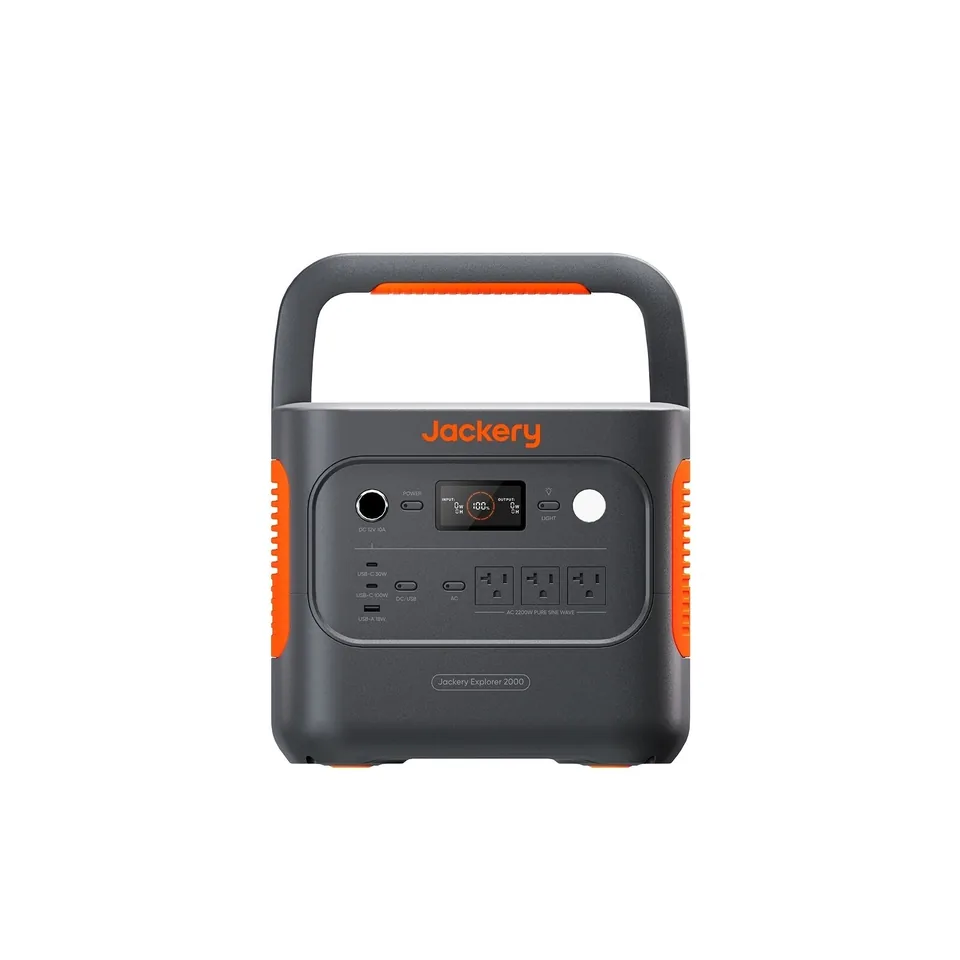
Jackery Explorer 2000 v2 Portable Power Station (2042Wh)
Check price on Amazon(paid link) for Jackery Explorer 2000 v2 Portable Power Station (2042Wh) (opens in a new tab) -
Best for fast charging
Anker SOLIX C1000 Gen 2 Portable Power Station (1024Wh)
Check price on Amazon(paid link) for Anker SOLIX C1000 Gen 2 Portable Power Station (1024Wh) (opens in a new tab)