Jackery · Portable power station
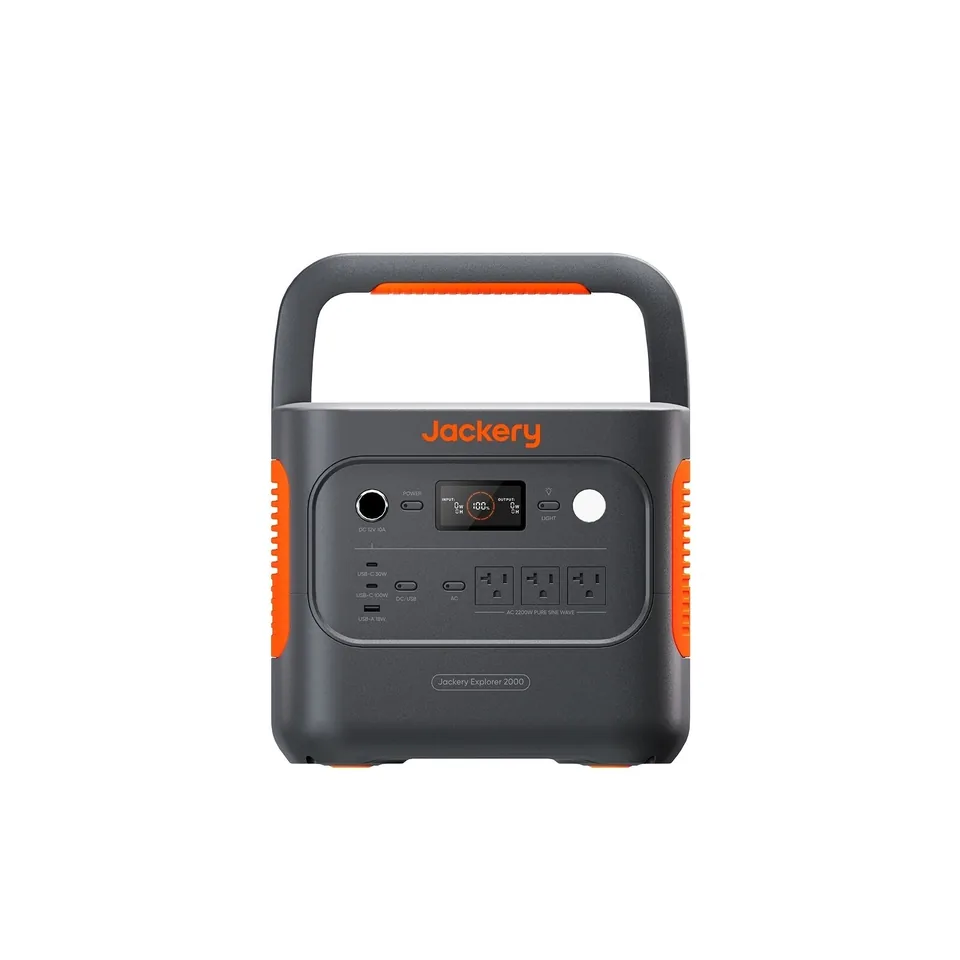
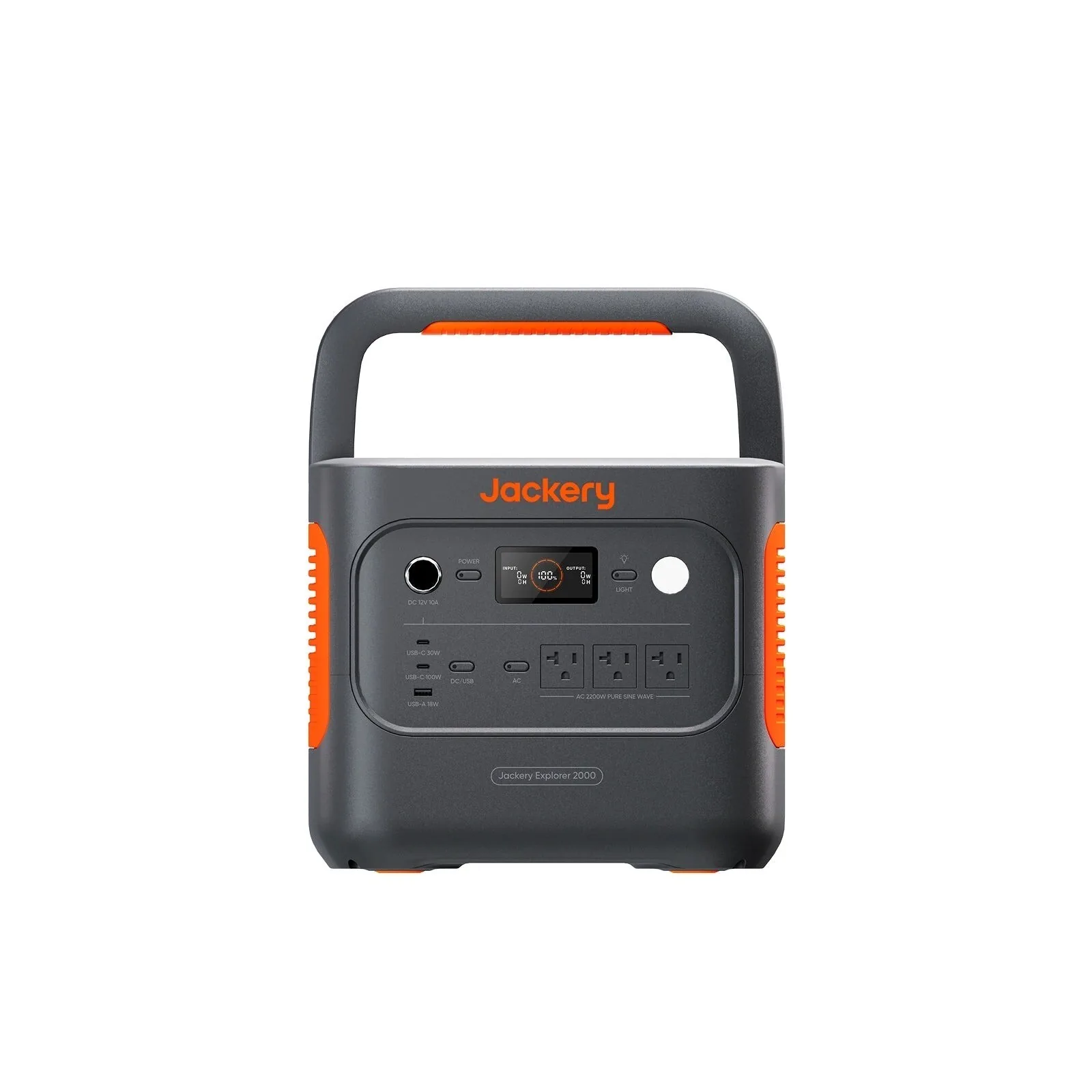
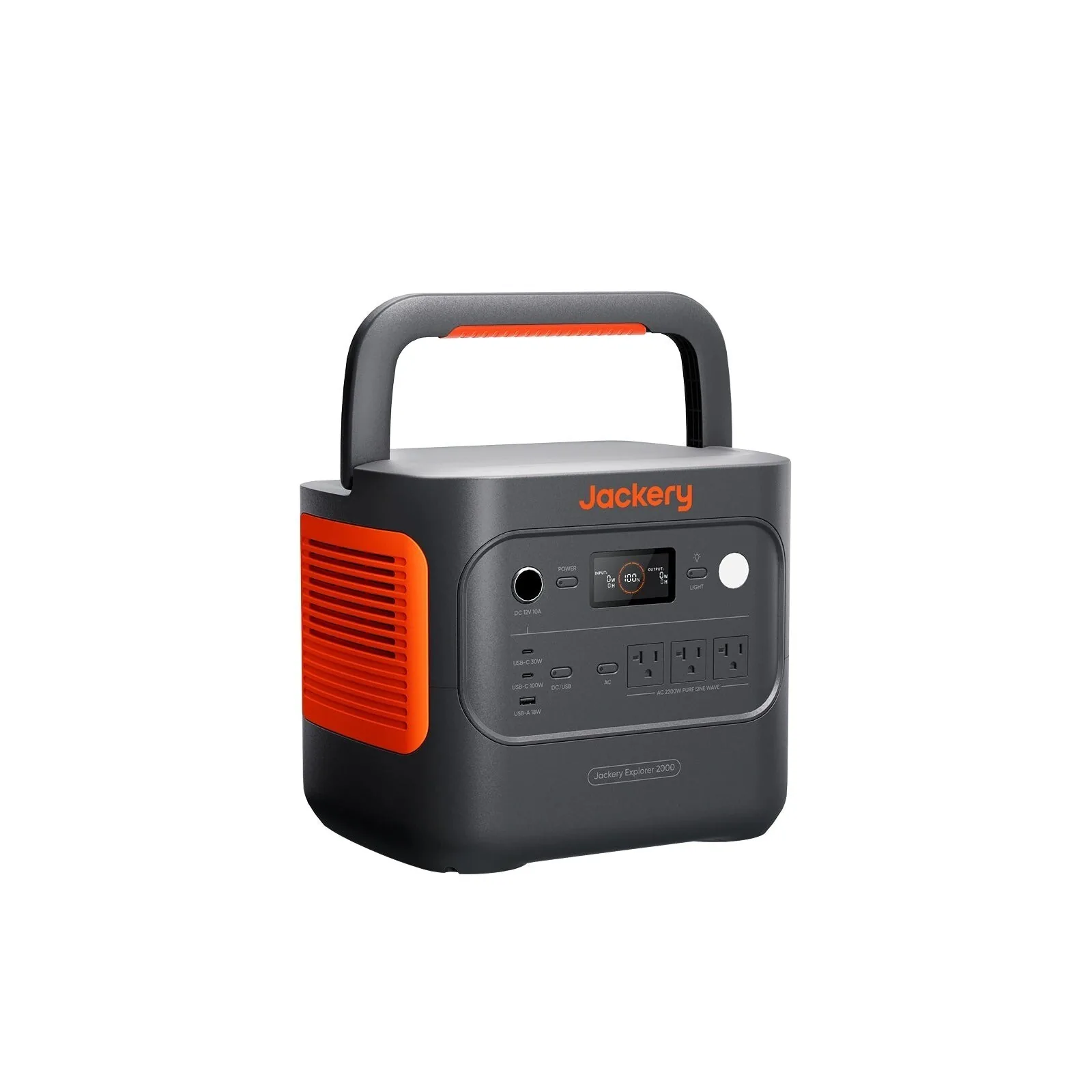
Jackery Explorer 2000 v2 Portable Power Station (2042Wh)
The 2 kWh station one person can carry: 2,200 W runs a fridge, a microwave or a space heater, and OutdoorGearLab ranked it first of 14 in July 2026. Skip it if you will charge mostly from solar or want to add batteries later.
Ad disclosure: we earn a commission on Amazon links, at no cost to you. It never decides our picks. How this works
Photos
Pick it ifHouseholds that want a fridge, a microwave or a space heater running through long outages, and campers and RV owners who want 2 kWh they can lift into a car alone
Skip it ifOff-grid setups that refill from solar every day, anyone who expects to add batteries, and desktops or NAS boxes that need a measured sub-10 ms switchover
At a glance
What stands out
- OutdoorGearLab drew 1,710 Wh of usable output and ranked it first of 14 stations, with an Editors' Choice award, in July 2026
- 2,042 Wh and 2,200 W continuous at 39.5 lb (38.9 lb on OutdoorGearLab's scale); Jackery says it is 34 percent lighter than the previous generation
- The Solar Lab measured 90 percent efficiency and an idle draw of about 17 W, and saw it hold its 2,200 W rating with brief surges to about 3,100 W
- Built-in LED light with SOS mode, a 100 W USB-C port and an app that controls outputs, the light and the charging mode
Flaws to know
- 400 W solar ceiling; The Solar Lab calls it underpowered for the pack, and OutdoorGearLab estimates 10 to 12 hours on one 200 W panel
- No extra-battery port and only three AC outlets
- DC8020 solar inputs need an adapter for non-Jackery panels, per OutdoorGearLab
- The full 1,800 W wall input needs Emergency Charging Mode switched on in the app; otherwise The Solar Lab saw about 1,300 W
Key specs
- Capacity
- 2,042 Wh LFP (45.6 Ah at 44.8 V), rated 4,000 cycles to 70 percent
- AC output
- 2,200 W continuous, 4,400 W surge peak (manufacturer); The Solar Lab saw it hold 2,200 W and surge briefly to about 3,100 W
- Outlets
- 3 AC (120 V, 18.3 A), 1 USB-C (100 W), 1 USB-C (30 W), 1 USB-A (18 W), 12 V/10 A car socket
- AC input
- Up to 1,800 W in Emergency Charging Mode per The Solar Lab; about 1.7 hours to full (manufacturer), 2.5 hours measured by OutdoorGearLab
- Solar input
- 400 W max across two DC8020 ports, 16-60 V at up to 12 A per port
- UPS switchover
- Under 20 ms (rated)
- Expansion
- None
- Weight
- 39.5 lb (38.9 lb on OutdoorGearLab's scale); 13.2 x 10.4 x 11.5 in
- Noise
- 30 dB in Quiet Mode, 45 dB at full load, at 1 m (manufacturer)
Who it's for
The Explorer 2000 v2 is for a household that wants 2 kWh of backup without a two-person lift. At 2,042 Wh and 2,200 W continuous it holds a full-size refrigerator through a day-long outage and has the headroom to run a microwave, a coffee maker or a 1,500 W space heater alongside it, which the 1 kWh units on our best portable power stations list can only do for a short stretch. It also suits car campers and RV owners, because at 39.5 lb it goes into a trunk the way a 1 kWh station does.
It is our premium pick, chosen for capacity per pound. OutdoorGearLab tested it against 13 other stations for its July 2026 roundup, ranked it first and gave it its Editors' Choice award. If you plan to refill from solar every day, or to grow into a larger system, look at the trade-offs below first.
What stands out
Weight. Jackery lists 39.5 lb and OutdoorGearLab's scale read 38.9 lb, in a 13.2 x 10.4 x 11.5 in box with a flip-up handle. Jackery says that is 34 percent lighter than the previous generation, and OutdoorGearLab found it easy enough for one person to pack in a car or move around a campsite.
Usable capacity. OutdoorGearLab drew 1,710 Wh from the 2,042 Wh pack, 84 percent of the rating. The Solar Lab measured 90 percent efficiency with its own method and an idle draw of about 17 W, about five days of standby with the inverter on. Budget about 1.7 kWh of real work per charge, roughly twice what the 1 kWh picks deliver.
Output. OutdoorGearLab reports 2,200 W of sustained output, ran an induction cooktop, Starlink and a laptop from it, and charged two e-bikes at the same time. The Solar Lab found the inverter held its rating under every load it tried, with no overheating, and saw brief surges to about 3,100 W, short of Jackery's 4,400 W peak figure but enough for a fridge compressor or a pump starting up. It did not like sustained loads above 2,200 W, so treat that as the ceiling.
Daily use. There is a built-in LED light with high, low and SOS modes, which The Solar Lab singles out as one of the most practical features for outages and camping. OutdoorGearLab found the interface simple and the app useful but not essential. Jackery rates it at 30 dB in Quiet Mode and 45 dB at full load, measured at 1 m. OutdoorGearLab says the fan comes on infrequently, and TechRadar, reviewing the 230 V international version, could barely hear it fast charging. The pack is rated for 4,000 cycles to 70 percent, which Jackery translates into an 11-year theoretical cell life, and Jackery lists a 3+2-year warranty.
Where it falls short
Solar input. The ceiling is 400 W across two DC8020 ports. That is low for a 2 kWh pack: at least five hours of perfect sun by the arithmetic, and OutdoorGearLab estimates 10 to 12 hours from a single 200 W panel. The Solar Lab names it the unit's biggest weakness and says it would have liked 800 W or more. Non-Jackery panels need an MC4-to-DC8020 or DC7909-to-DC8020 adapter, per OutdoorGearLab.
No expansion and few outlets. There is no extra-battery port, so 2 kWh is the ceiling for the life of the unit. Three AC outlets, two USB-C ports and one USB-A port are thin for a station this size, and both The Solar Lab and TechRadar mark it down for that.
Charging behavior. The full 1,800 W wall input is gated behind an Emergency Charging Mode that you turn on in the app; without it The Solar Lab saw about 1,300 W. Jackery quotes about 1.7 hours to full in that mode, while OutdoorGearLab measured 2.5 hours. The unit will not charge below 32°F, per Jackery's spec sheet, so bring it indoors to recharge in winter.
Switchover and build. Jackery rates the UPS switchover at under 20 ms, and none of our sources measured it, so a desktop PC or NAS is safer on a unit measured under 10 ms. The Solar Lab also found the housing under the handle slightly soft and calls Jackery's sledgehammer-proof marketing exaggerated.
How it compares
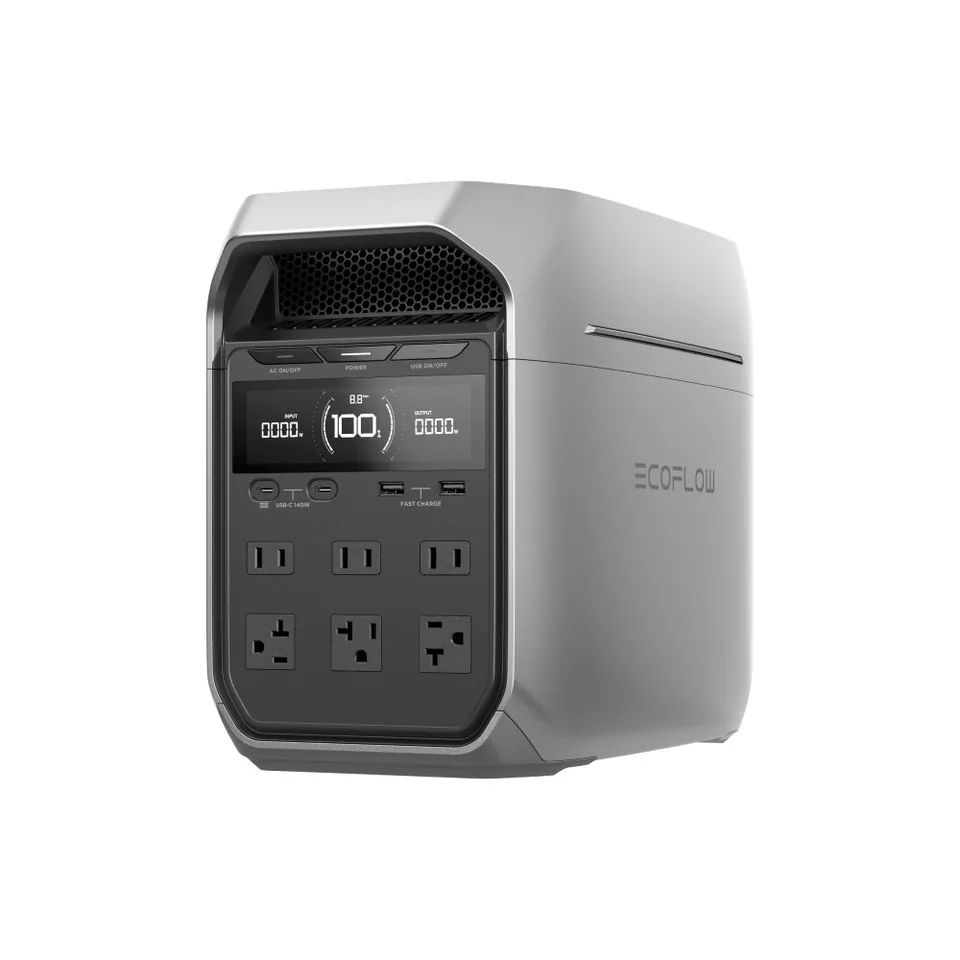
Against the EcoFlow DELTA 3 Plus, the Jackery has twice the pack and 400 W more output at about 12 lb more. The EcoFlow wins on solar input (1,000 W), a switchover StorageReview measured at just over 8 ms, and an extra-battery port that can take it to 5 kWh. If you want 2 kWh today and never more, buy the Jackery; if you want to build toward a larger system, start with the EcoFlow.
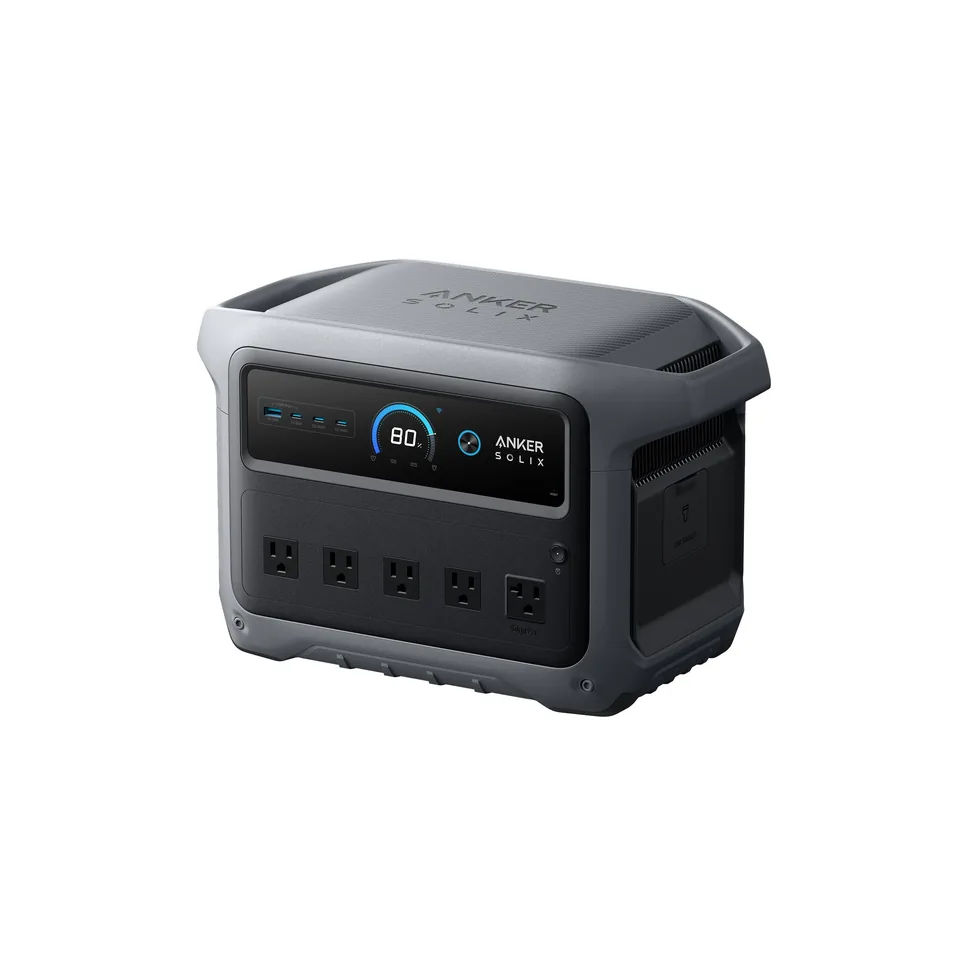
Against the Anker SOLIX C1000 Gen 2, the question is whether you need the second kilowatt-hour. The Anker's 2,000 W inverter runs most of the same appliances, for about half as long, and weighs about 15 lb less.
The Solar Lab also points to Jackery's own Explorer 2000 Plus, which adds expansion, a 3,000 W inverter and more solar input in a higher price class.
Verdict
Buy the Explorer 2000 v2 if you want the most usable capacity you can still carry alone, for outages that call for a fridge, a microwave and a heater, or for camping with heavy loads. Skip it if solar is your main source of charge or you expect to add capacity later.
All 7 sources
- jackery.com /products/jackery-explorer-2000-v2-portable-power-station
- outdoorgearlab.com /reviews/camping-and-hiking/power-station/jackery-explorer-2000-v2
- outdoorgearlab.com /topics/camping-and-hiking/best-power-station
- thesolarlab.com /review/jackery-explorer-2000-v2-review
- techradar.com /pro/jackery-solar-generator-2000-v2-review
- techradar.com /best/portable-power-stations
- cpsc.gov /Recalls
The other picks in Portable Power Stations
Compare all 4-
Best overall
EcoFlow DELTA 3 Plus Portable Power Station (1024Wh)
Check price on Amazon(paid link) for EcoFlow DELTA 3 Plus Portable Power Station (1024Wh) (opens in a new tab) -
Best budget
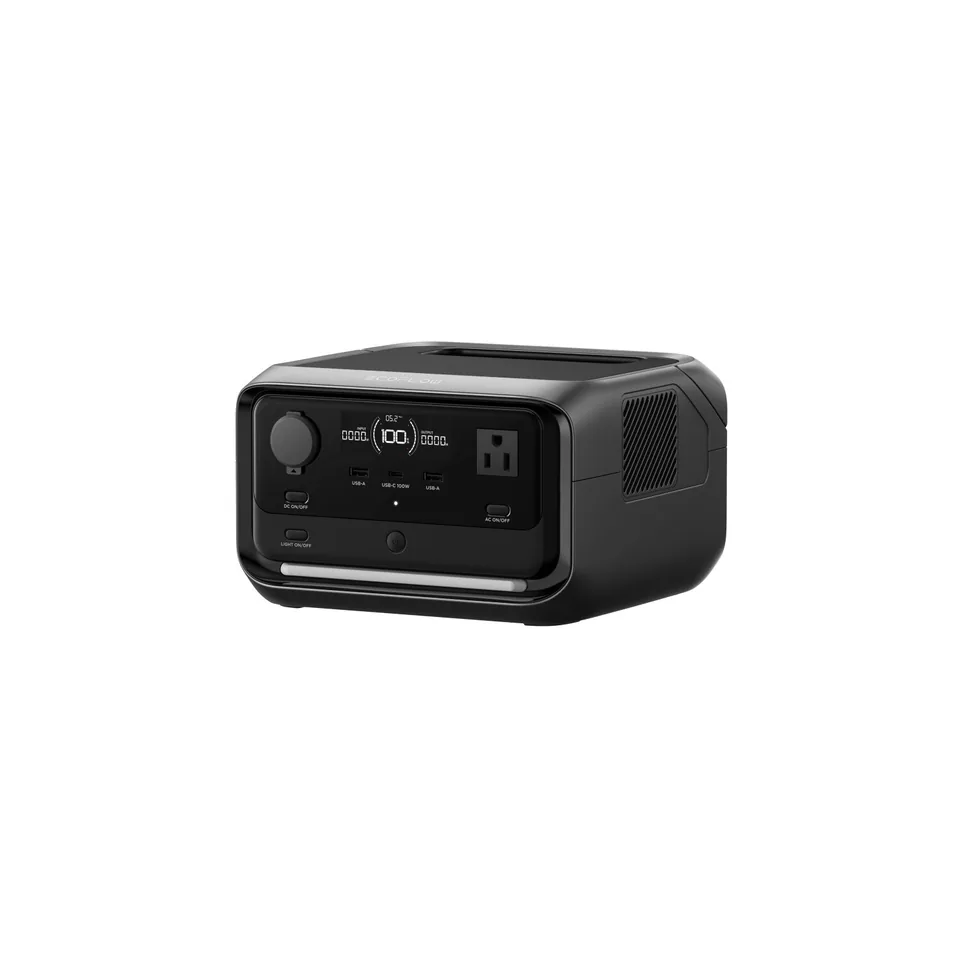
EcoFlow RIVER 3 Plus Portable Power Station (286Wh)
Check price on Amazon(paid link) for EcoFlow RIVER 3 Plus Portable Power Station (286Wh) (opens in a new tab) -
Best for fast charging
Anker SOLIX C1000 Gen 2 Portable Power Station (1024Wh)
Check price on Amazon(paid link) for Anker SOLIX C1000 Gen 2 Portable Power Station (1024Wh) (opens in a new tab)