01Gas, wood or multi-fuel
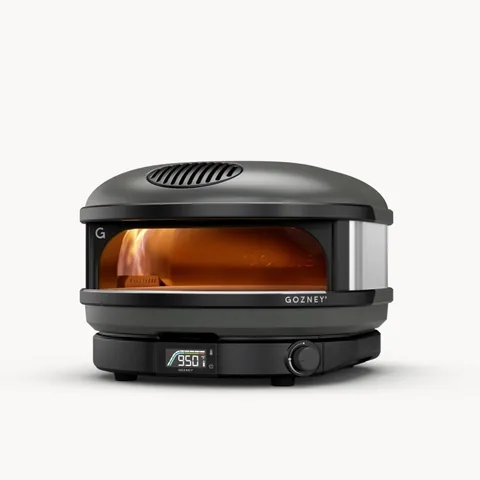
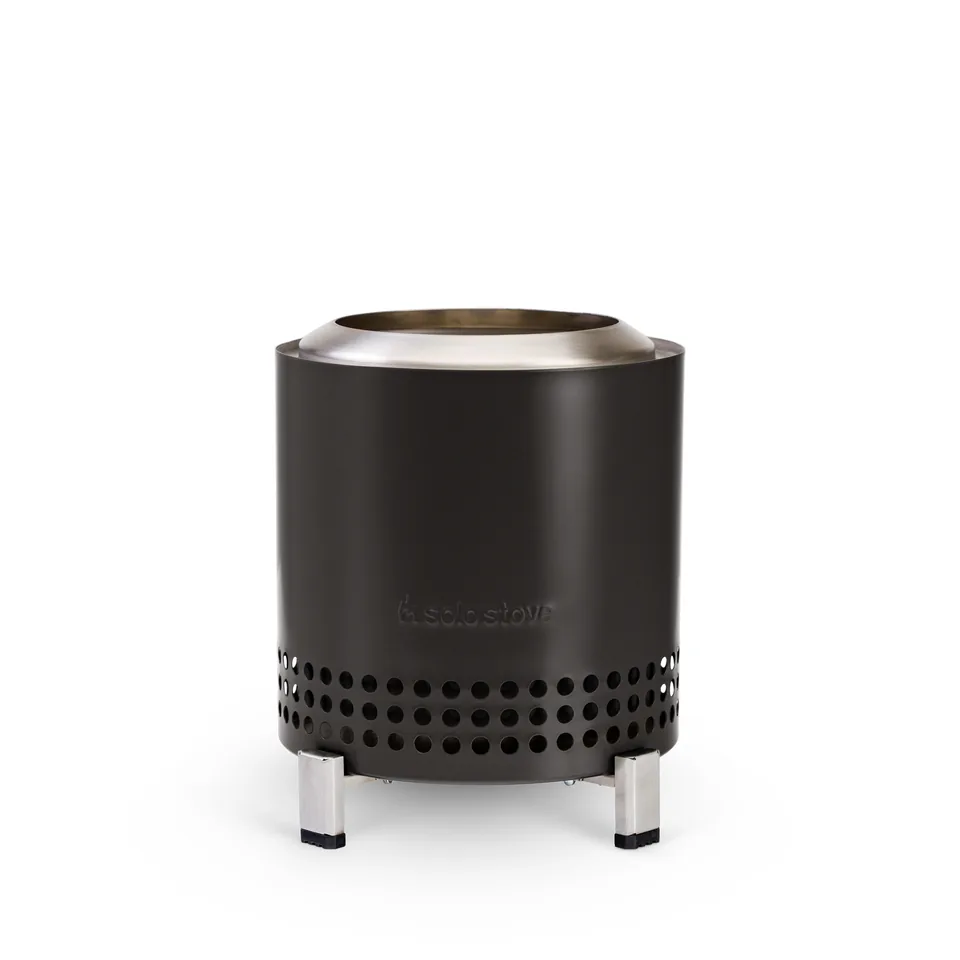
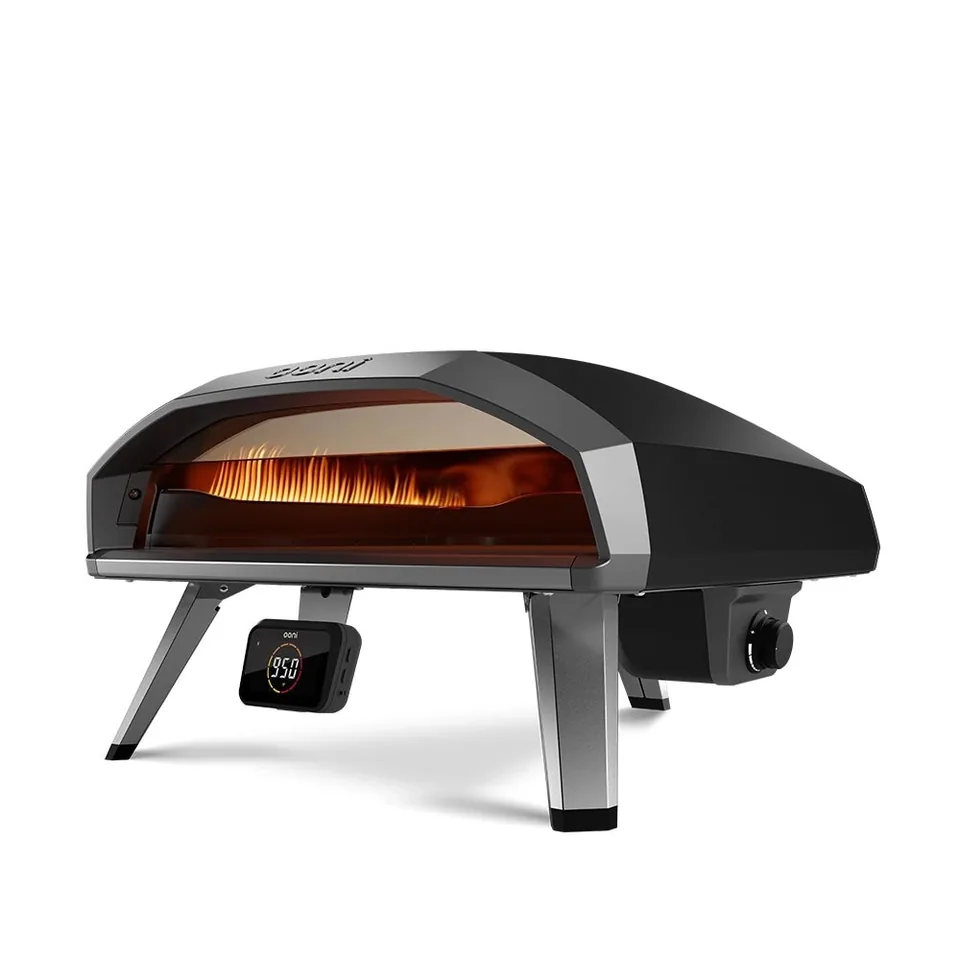
Fuel decides how you will use the oven more than any other spec. Gas ovens run on a propane tank or, for some models, a natural gas line: turn a dial, wait, cook. That is why three of our four picks are gas: the Gozney Arc, the Solo Stove Pi Prime and the Ooni Koda 2 Pro. Of those, only the Koda 2 Pro is sold in a natural gas version; the Arc and Pi Prime are propane only.
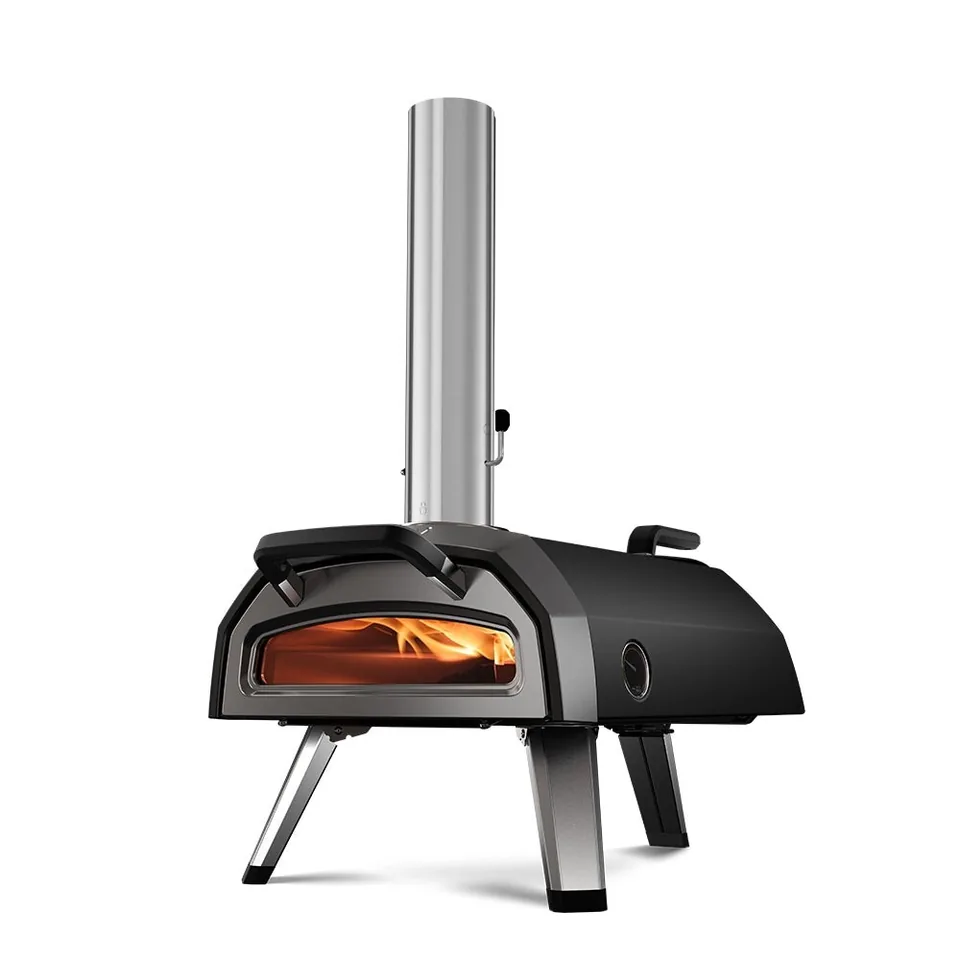
Wood and charcoal give a flavor and a live flame that gas cannot copy, but you manage the fire yourself: feeding fuel, watching the temperature swing, opening and closing vents. Multi-fuel ovens such as the Ooni Karu 2 burn wood or charcoal as delivered and accept a bolt-on gas burner, sold separately, for nights when you just want dinner. TechGearLab found the Karu 2 reached higher temperatures on wood than on its gas burner at full, and cooked crusts more evenly on wood, but it was easier to be consistent on gas.
Wood pellets sit in between: more predictable than logs, but they still need tending. If you want wood flavor with less work, a multi-fuel oven that also takes gas is the more flexible buy.
0212, 14 or 16 inches and up
Pizza size is really a question of how many people you feed and how fast. A pizza oven bakes one pie at a time in 60 to 120 seconds, and the stretching, topping and launching take longer than the cook. Taste of Home's expert source makes the point that feeding twelve people from a small oven can keep you at it for an hour.
Twelve-inch ovens, such as the Pi Prime and Karu 2, are lighter and cheaper and suit two to four people; TechGearLab planned on one pizza per person when cooking for a group in the Pi Prime. Fourteen inches, as in the Arc, is the comfortable family size. Ovens with 16-inch and larger stones, such as the Koda 2 Pro, let you make New York-style pies or two small pizzas at once, but they weigh far more and need a bigger peel. Also remember that the opening limits you as much as the stone: the Pi Prime's is 13 inches wide.
03Heat-up time and stone temperature
The number that matters is the temperature of the stone, not the air. Neapolitan pizza wants a stone in the 750 to 900°F range; New York style bakes lower and longer. Ovens with thin stones reach temperature quickly but lose heat with each pizza; thick stones take longer and hold steadier. Here is what the makers claim and what independent testers measured.
Two cautions. Maker heat-up figures are best cases; wind and cold stretch them. And a built-in thermometer usually reads the air near the ceiling, not the stone: the Karu 2's gauge measures air temperature, and Pala Pizza found the Arc's display lagged well behind the stone during preheat. The Arc's display became reliable once the oven was hot, according to TechGearLab.
04Burner layout and how forgiving the oven is
Where the flame sits decides how often you turn the pizza. A single burner at the back cooks the rear of the pie first, so you rotate it constantly; Taste of Home describes exactly that with the first-generation Koda 16's L-shaped rear burner. Side-mounted burners roll the flame across the ceiling instead: the Arc uses one, the Koda 2 Pro two, and TechGearLab, Taste of Home and Pala Pizza all report less turning and more even browning as a result. The Pi Prime keeps a rear burner but vents excess heat out the back, and TechGearLab found it forgiving thanks to the marked dial. Raw heat is not the same as ease: TechGearLab's Ooni Koda 2 ran hot enough to cook very fast, and that speed demanded constant attention and frequent turning.
05Portability and where it will live
Decide first whether the oven will travel. Under about 35 pounds, with folding legs or a compact round body, the Pi Prime and Karu 2 can go to a campsite or a tailgate. The Arc at 47.5 pounds and the Koda 2 Pro at about 66 pounds are patio fixtures; TechGearLab recommends a stand for the Arc. Every oven here needs a stable, heat-safe table, and reviewers disagree on how hot the outsides get: TechGearLab was comfortable using the Pi Prime near a wooden deck, while Taste of Home found the Koda 2 Pro's shell hotter than other Ooni models.
06The accessories you actually need
Most of the kit sold with pizza ovens is optional. What you do need: a launching peel sized to your largest pizza, a smaller metal turning peel, and an infrared thermometer if your oven has no stone reading, which covers the Pi Prime and Karu 2. Add a cover if the oven lives outdoors, because a wet stone can crack when fired, and a stiff brush for the stone. A full propane tank, or dry hardwood and lumpwood charcoal for the Karu 2, completes the list. The Karu 2's gas burner and a stand or table are worth buying only if you know you will use them. If you are unsure you want an outdoor oven at all, an electric indoor model such as the Breville Smart Oven Pizzaiolo is the alternative; TechGearLab measured 756°F at its stone, well short of the gas ovens, but it runs on a kitchen outlet.