Solo Stove · Outdoor pizza oven
Solo Stove Pi Prime Propane Pizza Oven (12 in)
The best-value gas oven for couples and small families: independent tests found it nearly as consistent as ovens a price class up. Skip it if you want pizzas larger than 12 inches or a built-in thermometer.
Ad disclosure: we earn a commission on Amazon links, at no cost to you. It never decides our picks. How this works
Photos
Pick it ifFirst-time pizza oven buyers and small households who want fast, consistent 12-inch pies from propane
Skip it ifHosts who need 14-inch or larger pizzas, cooks with a natural gas line, and anyone who wants a temperature readout
At a glance
What stands out
- TechGearLab measured an average stone temperature of 841°F and cook times of about 90 seconds
- Dial has an orange zone for the ideal range; TechGearLab found it accurate and beginner friendly
- 30 lb round stainless steel body with a 13-inch-wide opening; Solo Stove quotes about 15 minutes of preheat
- Lifetime warranty, per Solo Stove
Flaws to know
- Fits 12-inch pizzas only
- No built-in thermometer; an infrared thermometer is needed for exact stone temperatures
- Propane only; Solo Stove says never to use other gases
Key specs
- Pizza size
- 12 in
- Fuel
- Propane (LPG) only; burner at the back of the dome
- Max temperature
- Over 950°F (Solo Stove)
- Stone
- Cordierite, two pieces
- Weight
- 30 lb
- Dimensions
- 20.5 in diameter, 15.5 in tall
- Opening
- 13 in wide, 3.5 in tall
- Warranty
- Lifetime (Solo Stove)
Who it's for
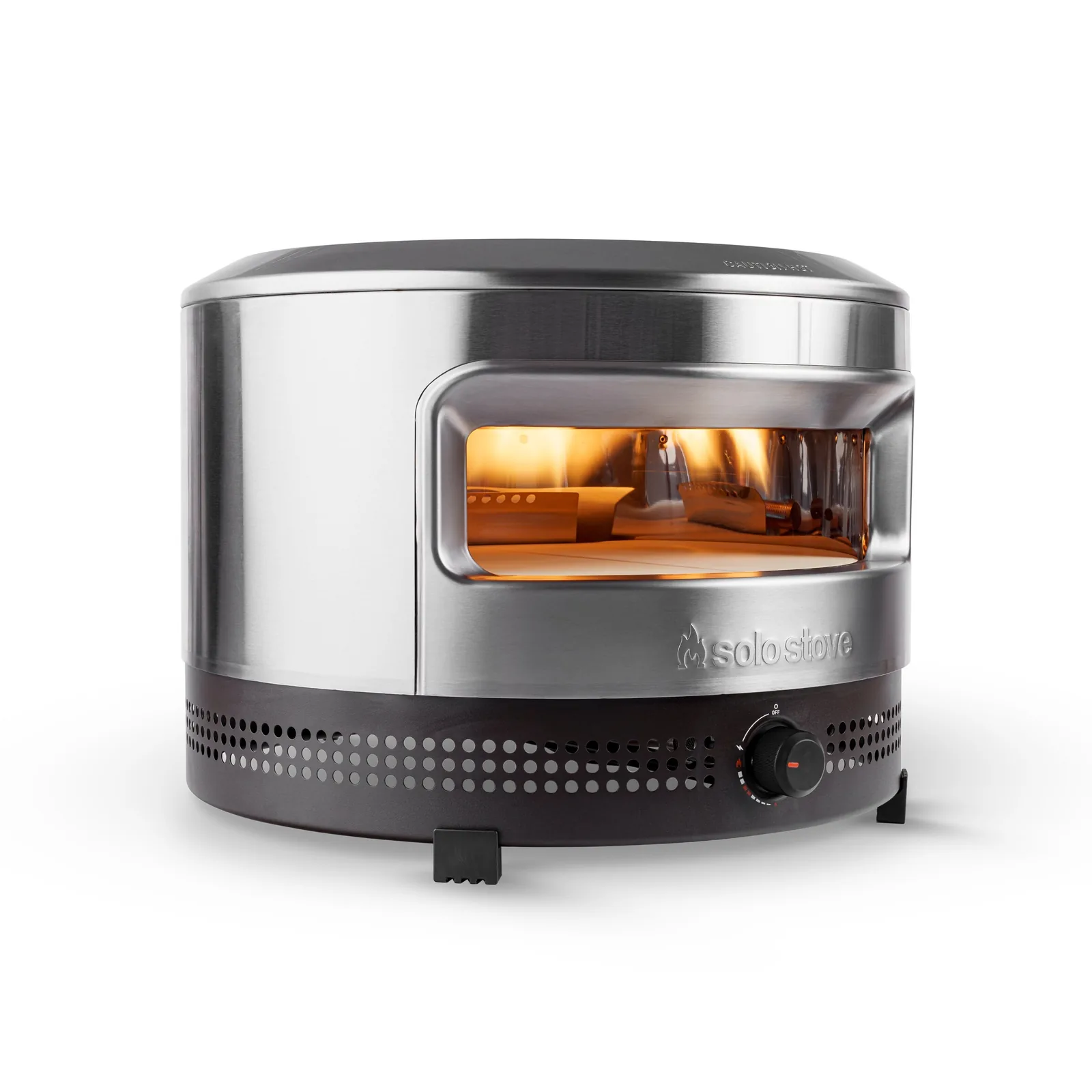
The Pi Prime is the oven to buy if you want real high-heat pizza at home without paying for features you may not use. It is a round, 30-pound stainless steel dome with a propane burner at the back, a two-piece cordierite stone and a single control dial. On our outdoor pizza oven list it is the best budget pick: TechGearLab gave it its Best Buy award and wrote that its cooking was directly comparable to the Gozney Arc, an oven in a higher price class.
It suits couples and families of three or four. If you regularly feed a larger group, the 12-inch limit will slow you down.
What stands out
Consistency for a beginner. The control dial carries an orange band that marks what Solo Stove calls the ideal range. TechGearLab found that band accurate, with stone temperatures around 847°F when the dial sat in it, and credits it with removing most of the learning curve. Its testers turned out a well-cooked pizza on the first try. Across the full test the oven averaged 841°F at the stone and about 90 seconds per pizza, and the middle of the pie cooked through without constant rotation.
Heat management. The burner sits at the back and excess heat vents out the rear, which TechGearLab says keeps the dome from overheating the top of the pizza before the base is done. Taste of Home found cook times of 90 seconds to two minutes, with a fluffy crust and light charring, and a preheat of 15 to 20 minutes, in line with Solo Stove's own figure of about 15 minutes.
Easy ownership. TechGearLab had it assembled in under 10 minutes with a picture-heavy manual, then ran the one-time seasoning burn of 30 to 60 minutes. Popular Science measured propane use at roughly a pound per hour at full output, so a standard 20-pound tank lasts many sessions. The stone lifts out in two pieces for cleaning, and Solo Stove backs the oven with a lifetime warranty.
Where it falls short
Size. The stone takes 12-inch pizzas and the opening is 13 inches wide, which leaves a little room for turning but no more. TechGearLab notes that similarly priced 14-inch ovens exist, and it planned on one pizza per person when cooking for a group.
No thermometer. There is no built-in gauge. The dial markings get you close, but if you want to know the actual stone temperature, for example to switch between Neapolitan and New York styles, buy an infrared thermometer.
Mixed reports on exterior heat and rotation. TechGearLab found the insulation good enough that the outside stayed reasonably cool and it was comfortable using the oven near a wooden deck. Popular Science, reviewing an early unit in 2023, reported a very hot exterior that stayed hot for over an hour and said the rear burner required regular turning. Treat it as hot to the touch and keep children away regardless.
Fuel and portability. It is propane only, so there is no conversion for a natural gas line. At 30 pounds and round, TechGearLab found it awkward to carry compared with more compact designs, though Popular Science considered it trunk-friendly.
How it compares
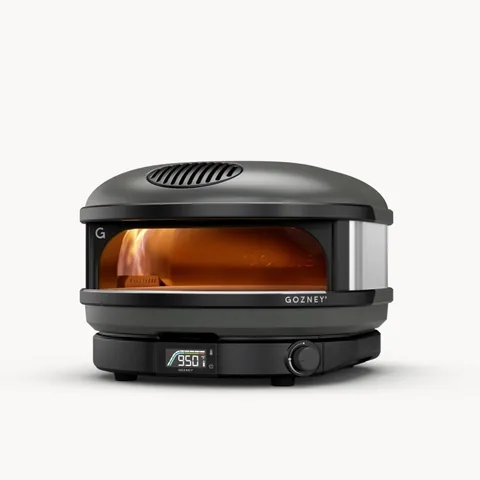
Against the Gozney Arc, the Arc adds two inches of pizza, a digital thermometer and a lateral burner that TechGearLab found slightly more even, at 47.5 pounds and a higher price class. If you will use the oven weekly and want the readout, the Arc is worth it; if not, the Pi Prime gets you most of the result.
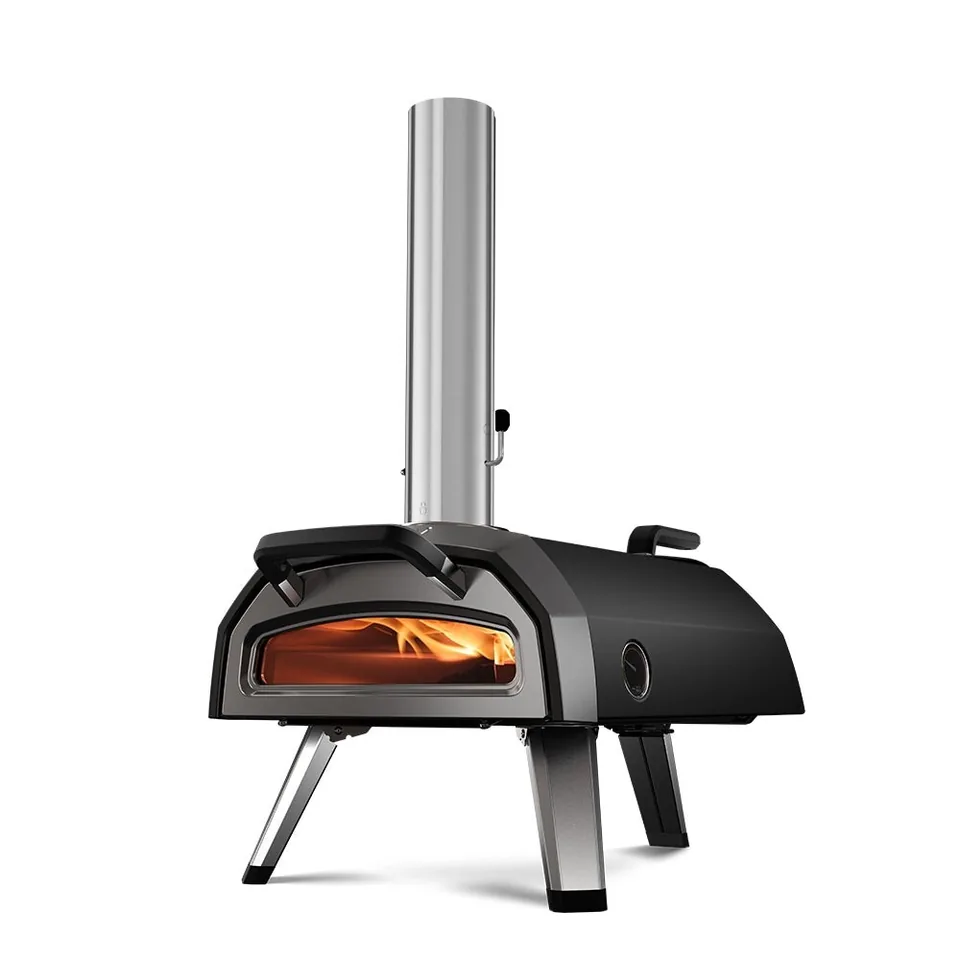
Against the Ooni Karu 2, the Karu 2 is also a 12-inch oven but burns wood or charcoal, with an optional gas burner. It takes more skill and attention, and rewards it with a real wood-fired flavor.
Verdict
The Solo Stove Pi Prime is the easiest way into high-heat pizza: consistent results from the first session, a simple dial, quick preheat and a lifetime warranty. Buy it for small households. Step up to a 14- or 18-inch oven if you host often.
All 5 sources
- solostove.com /en-us/p/pi-prime
- techgearlab.com /reviews/kitchen/pizza-oven/solo-stove-pi-prime
- techgearlab.com /topics/kitchen/best-pizza-oven
- tasteofhome.com /article/solo-stove-pi-prime-review
- popsci.com /gear/solo-stove-pi-prime-pizza-oven-review
The other picks in Outdoor Pizza Ovens
Compare all 4-
Best overall
Gozney Arc Propane Pizza Oven (14 in)
Check price on Amazon(paid link) for Gozney Arc Propane Pizza Oven (14 in) (opens in a new tab) -
Best premium
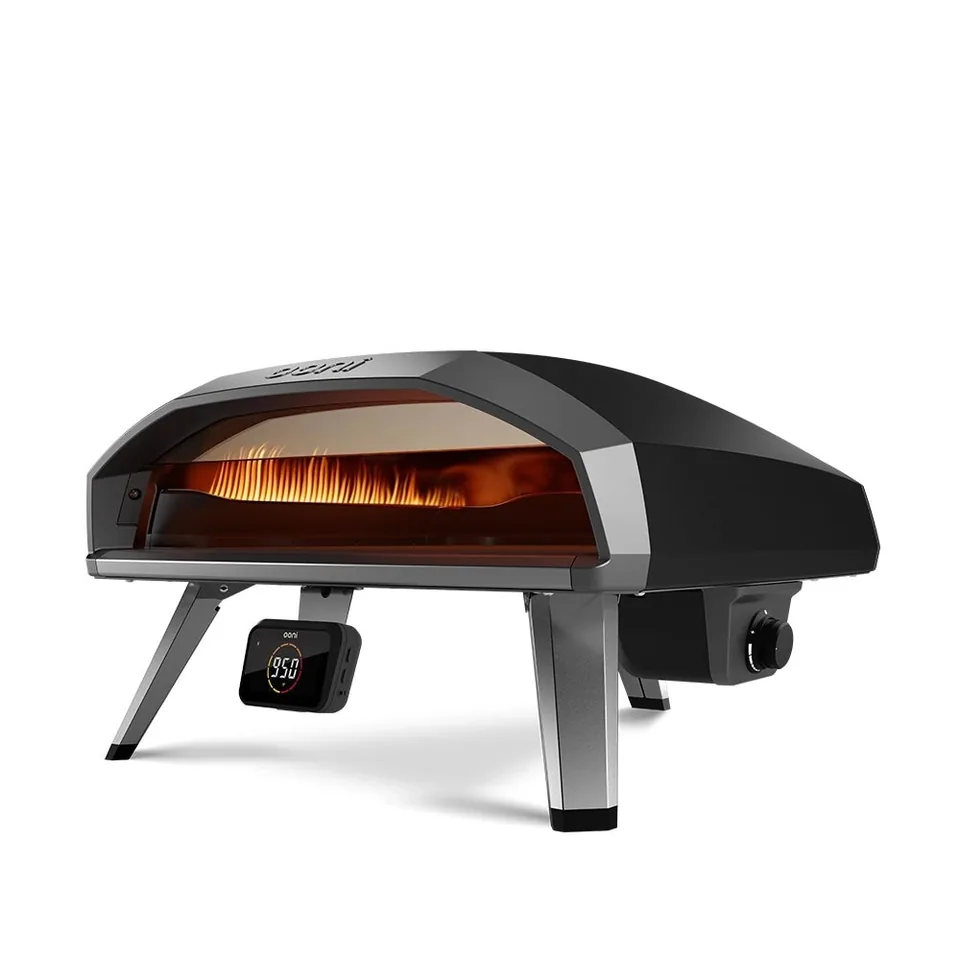
Ooni Koda 2 Pro Gas-Powered Pizza Oven (18 in)
Check price on Amazon(paid link) for Ooni Koda 2 Pro Gas-Powered Pizza Oven (18 in) (opens in a new tab) -
Best for wood-fired flavor
Ooni Karu 2 Multi-Fuel Pizza Oven (12 in)
Check price on Amazon(paid link) for Ooni Karu 2 Multi-Fuel Pizza Oven (12 in) (opens in a new tab)