The grinder decides more than the machine
An espresso machine heats water to a set temperature and pushes it through coffee at about 9 bar, and every machine in the beginner class does both well enough. What it cannot do is fix the coffee bed it pushes against; that bed is made by the grinder.
At 9 bar, water takes the easiest path. If the grounds are a mix of dust and coarse fragments, which is what a cheap grinder produces, water races through the gaps and stalls in the fines, and the shot is sour and bitter at once. Coffee Chronicler's espresso guide treats a grinder that reaches espresso fineness as a requirement, Clive Coffee's advice is to fund the grinder before the machine, and Tom's Guide has argued the machine is the least important part of the chain. TechGearLab names the plain Bambino its Best Buy for the same reason: what you save on automatic milk goes into the grinder.
Two grinder qualities matter: uniformity, which is why burrs rather than blades are the floor, and fine adjustment inside the espresso range, so a shot running five seconds fast can be slowed without choking the basket. That is why the two grinders from our under-$300 grinder list appear in every build below.
Three builds that stay under $500
| Build | Machine | Grinder | Baskets in the box | Portafilter | Still to buy | Best for |
|---|---|---|---|---|---|---|
| A: Most left for tools | Casabrews 5418 Pro | Baratza Encore ESP | Dual-wall only | 51 mm aluminum | 0.1 g scale, 51 mm metal tamper, WDT tool; bottomless portafilter later | First-timers who drink mostly milk drinks and want money left over |
| B: Best espresso | Breville Bambino | Baratza Encore ESP | Single-wall and dual-wall | 54 mm stainless | 0.1 g scale, 54 mm metal tamper, WDT tool | Anyone who will drink straight espresso and can spend to the limit |
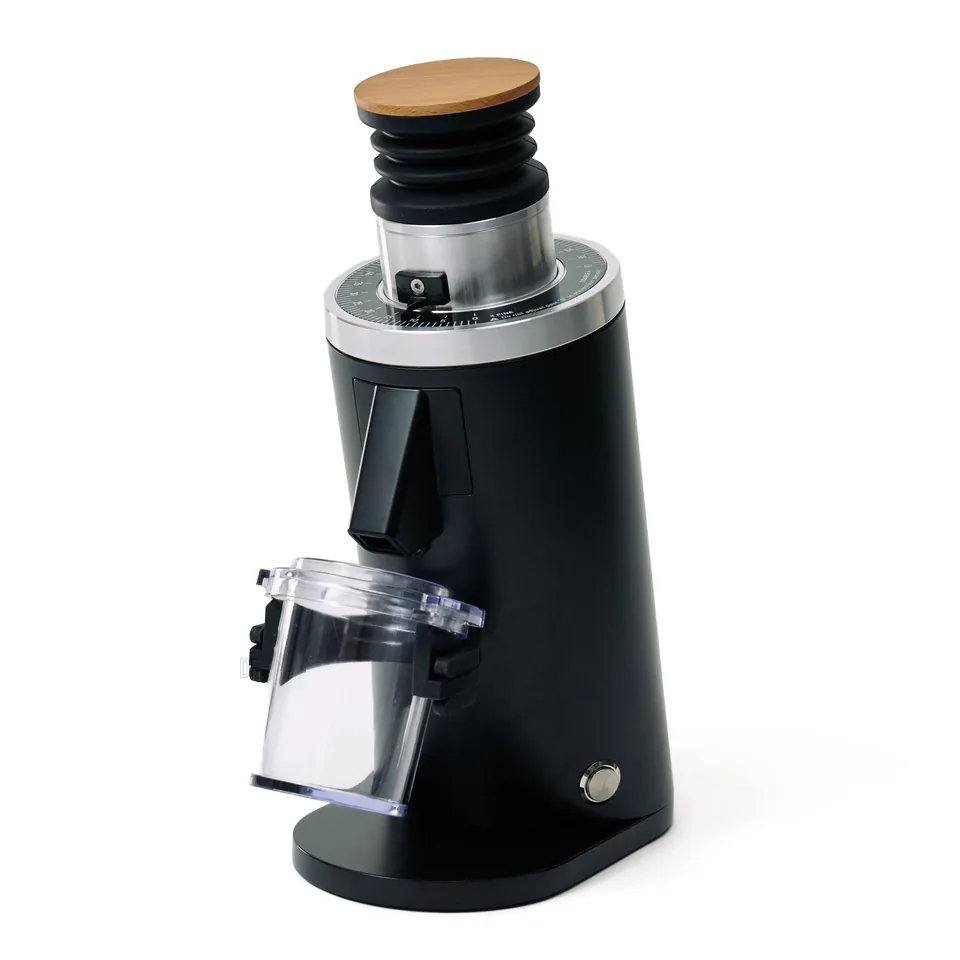
| C: Grinder first | Casabrews 5418 Pro | DF54 | Dual-wall only | 51 mm aluminum | 0.1 g scale, 51 mm tamper, WDT tool, dosing funnel; bottomless portafilter later | People who will replace the machine within a year or two |
Build A: Casabrews 5418 Pro and Encore ESP
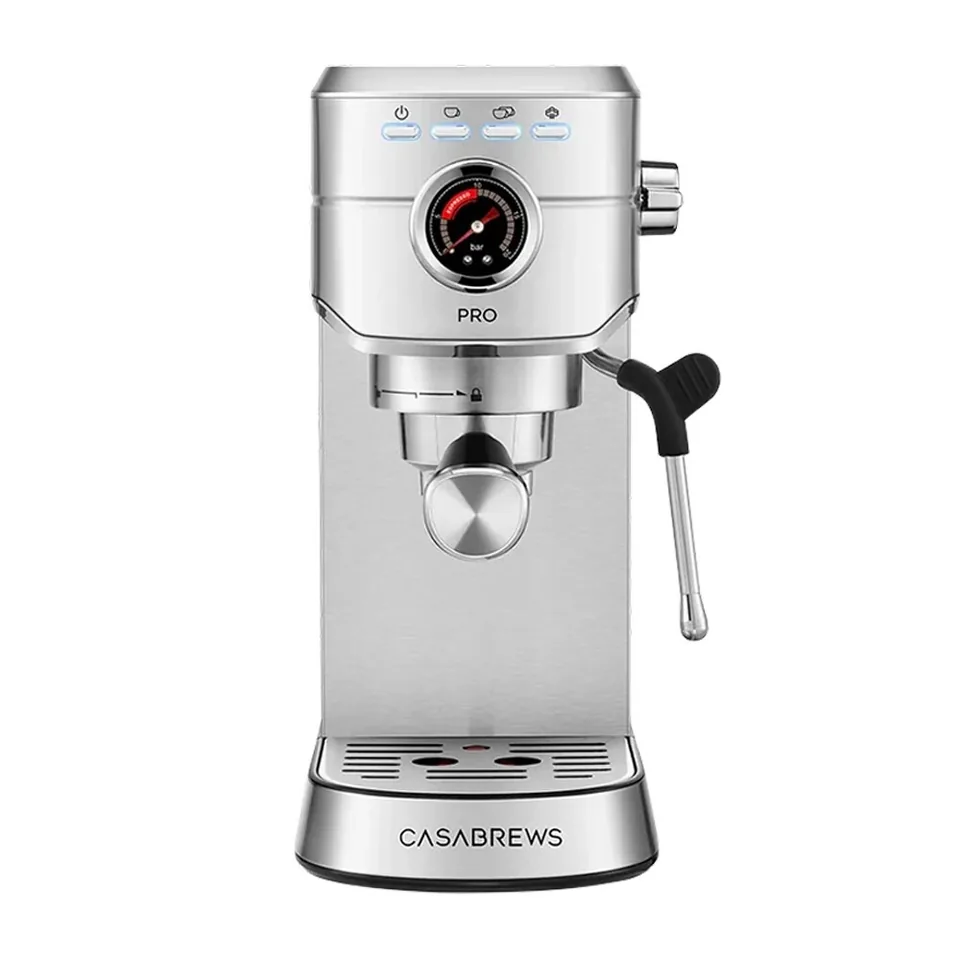
The build with the most room left for small tools, and the most forgiving to learn on. The 5418 Pro's thick-film heater is ready in about five seconds by Casabrews' figure and reaches steam about three seconds later, its 51 mm dual-wall baskets make a foamy, drinkable shot before the grind is right, and Tom's Guide and TechRadar both rated its manual wand well above its class.
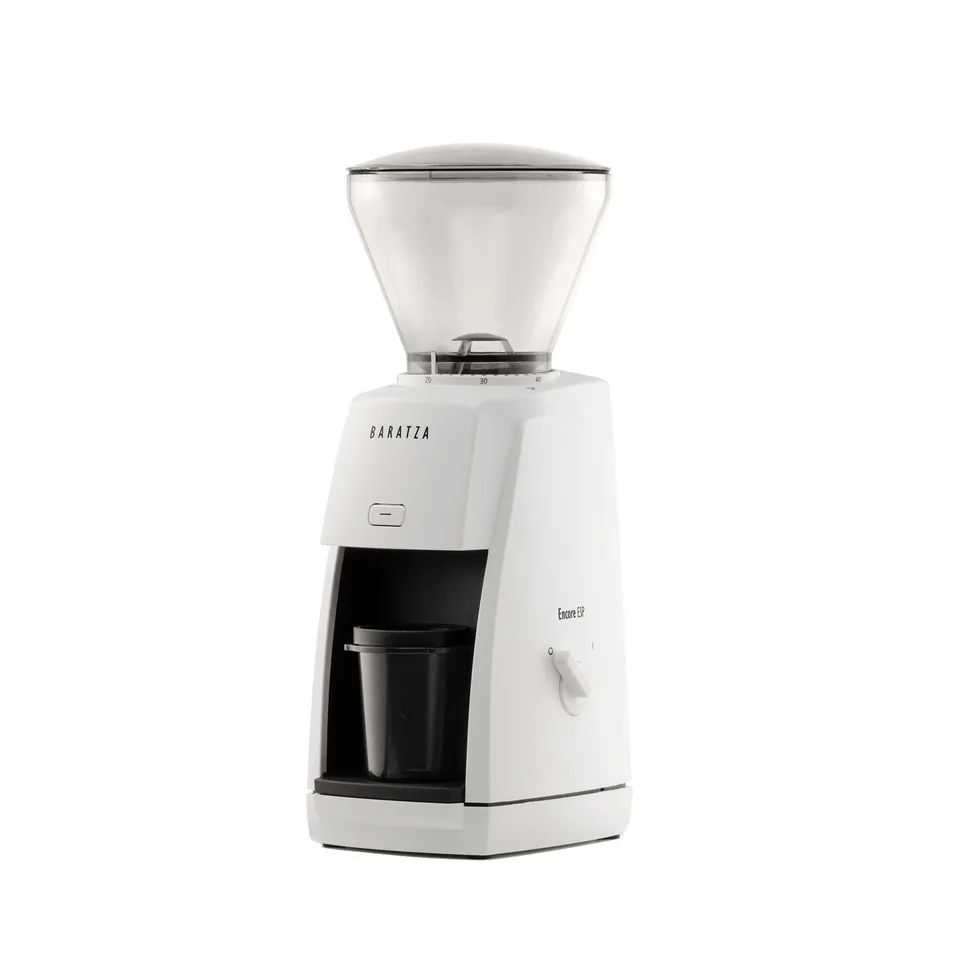
The Encore ESP supplies what the Casabrews lacks: 20 clicks inside the espresso range at roughly 20 microns each by CoffeeGeek's estimate, and 40 mm M2 burrs CoffeeGeek preferred to the Breville Smart Grinder Pro's. Its upper 20 clicks cover pour-over.
The catch is the basket. Casabrews ships pressurized baskets only, and Tom's Guide found the stock shots weak until it fitted Casabrews' bottomless portafilter, sold separately with a fine-hole 51 mm basket and puck screen. Budget for it once the grinder is dialed in. The Encore ESP's dosing cup fits 54 and 58 mm portafilters, not 51, so grounds go in through a funnel.
Build B: Breville Bambino and Encore ESP
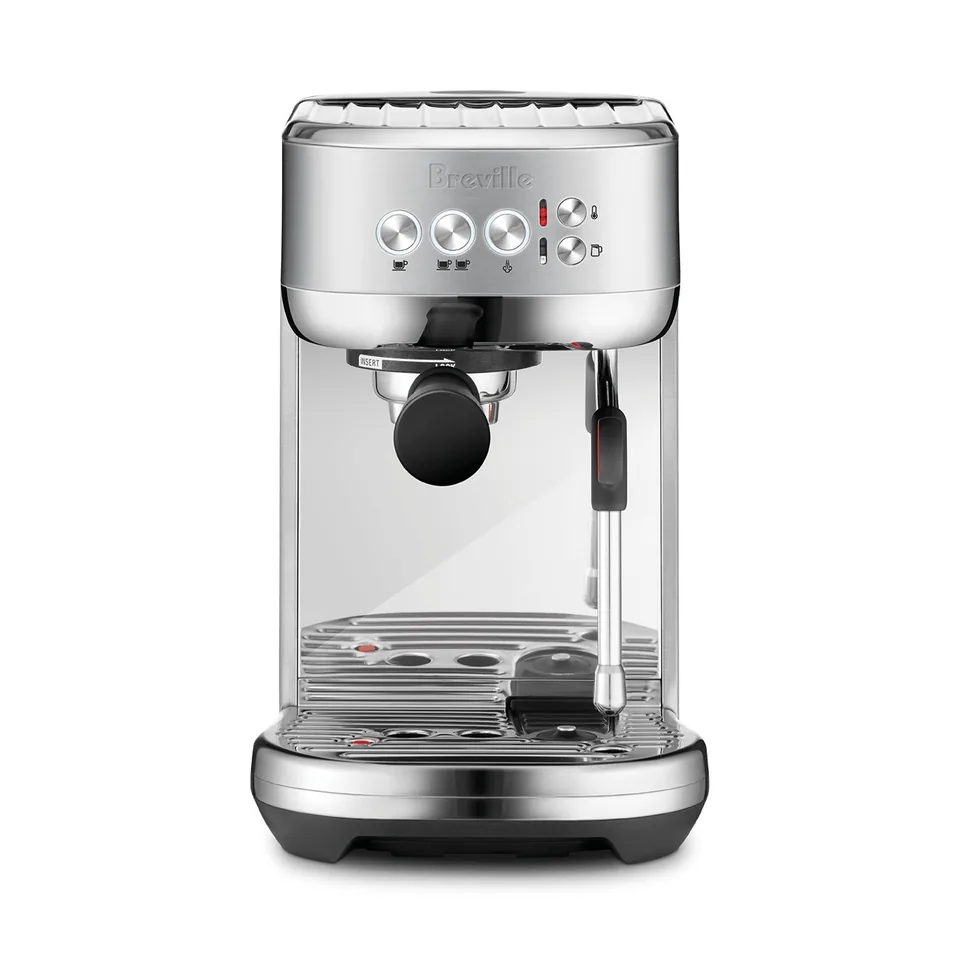
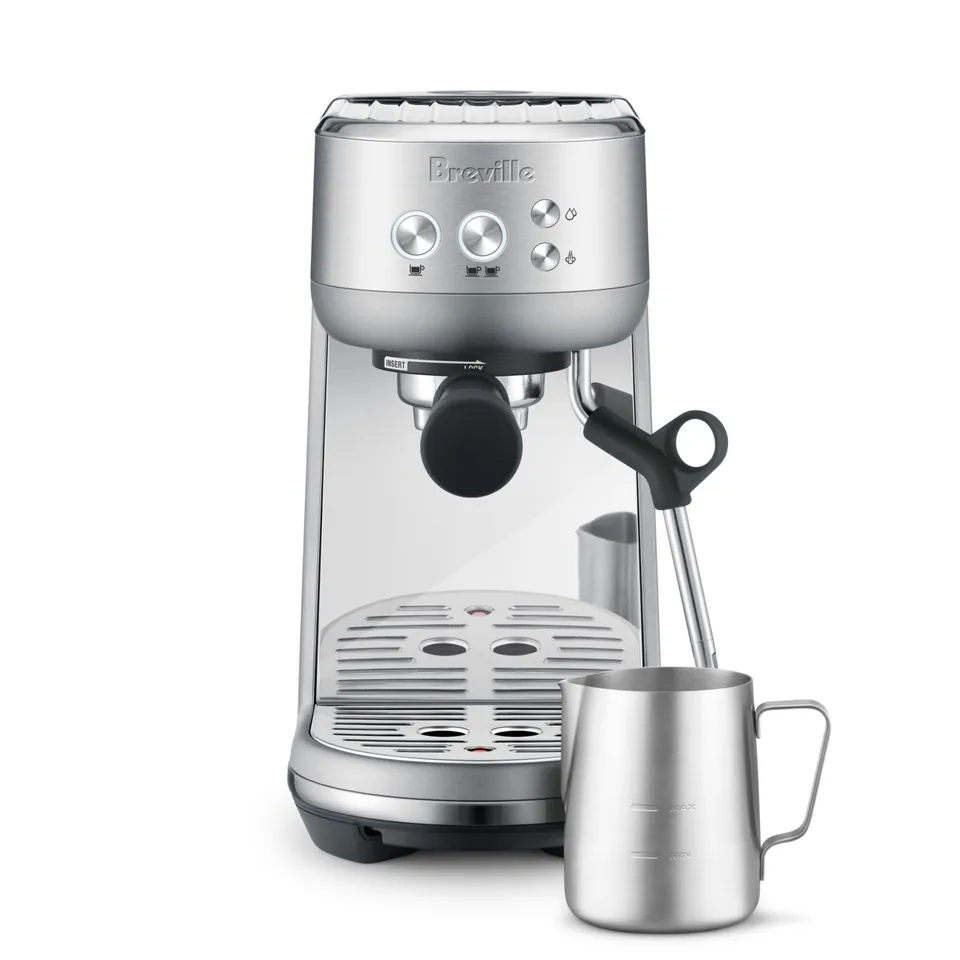
The best coffee of the three, at the top of the budget, so the scale and tamper may have to wait a paycheck. The Bambino pulls the same shot as the Bambino Plus: ThermoJet heat-up in about three seconds, low-pressure pre-infusion before the pump ramps to 9 bar, and a 54 mm portafilter sized for an 18 g dose, per Breville. Breville lists single-wall and dual-wall baskets in the box, which is the reason this build exists: start on dual-wall, switch to single-wall when the grinder is dialed in, and never buy a portafilter.
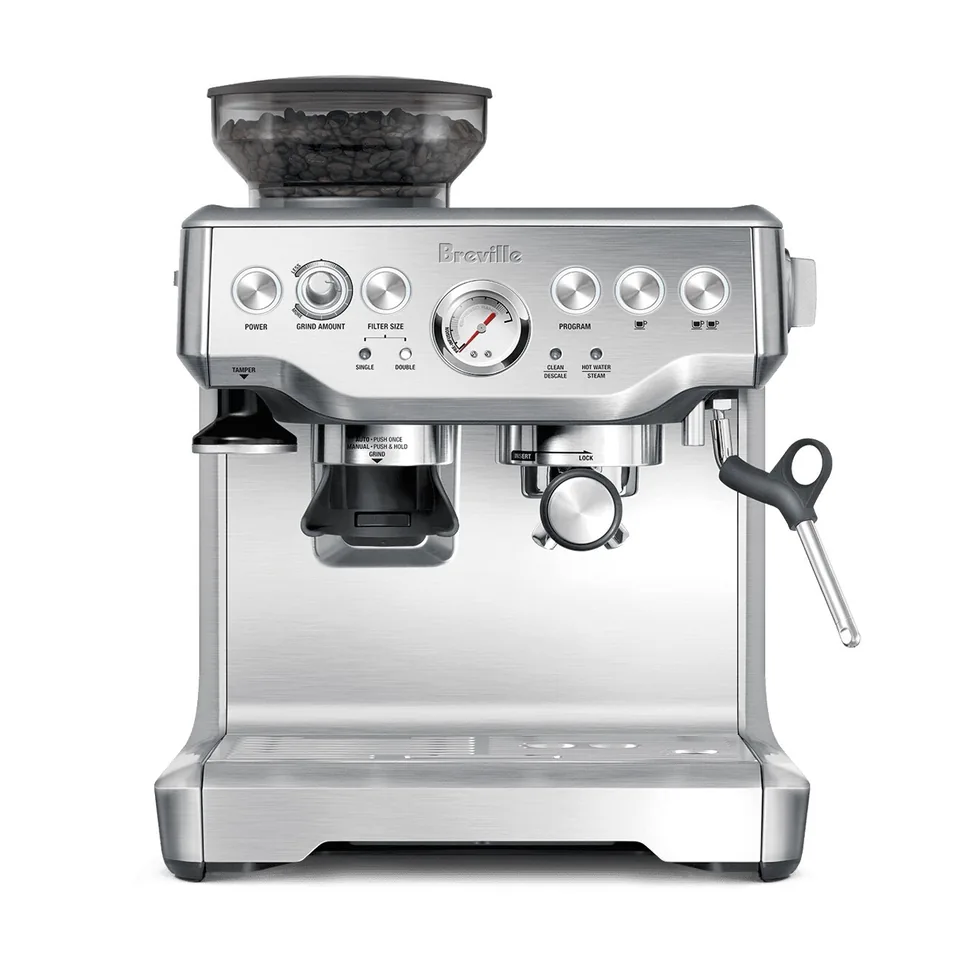
The Encore ESP's dosing cup fits the 54 mm basket with its sleeve. TechGearLab found the Bambino's manual wand nearly matched the Barista Express's, whose microfoam it rated best in its test, and the three-way solenoid valve, which the Casabrews lacks, leaves the puck dry. What you give up: a pressure gauge, so a fast shot is diagnosed with the scale and timer; a 47 oz tank by TechGearLab's measurement; and a plastic tamper TechGearLab calls flimsy.
Build C: Casabrews 5418 Pro and DF54
For someone who already knows the machine will be upgraded and does not want to buy the grinder twice. The DF54 has 54 mm flat burrs, stepless adjustment and, in Coffee Chronicler's measurements, 0.2 to 0.3 g of retention without the bellows and near zero with them. It beat the Encore ESP in Coffee Chronicler's blind pour-over tasting, is the site's top grinder pick, and will sit under a Bambino or a 58 mm machine years from now.
Under a 5418 Pro today, most of that quality waits for the bottomless portafilter, because a pressurized basket flattens the difference between a good grind and a fair one. The DF54 is a single-dose grinder: weigh every dose, press the bellows, and expect about 24 seconds for 14 g by Coffee Chronicler's timing. Its 58 mm dosing cup needs a funnel for the 51 mm basket. On Amazon it is listed as the MiiCoffee DF54; our DF54 review explains which version to look for.
What a pressurized basket hides
A dual-wall, or pressurized, basket has an inner wall with many holes and an outer wall with one tiny hole. Breville's explainer describes that hole as the source of back pressure, which builds whatever the grind or tamp, so the machine makes a foamy shot from pre-ground coffee or a poor grinder. A single-wall basket has holes across its whole base and relies on the puck for resistance.
What the pressurized basket hides is feedback. On single-wall, a shot that gushes in 12 seconds or chokes at 45 tells you what to change on the grinder. On dual-wall, every shot runs about the same, so you cannot learn from it, and Breville's page concedes the flavor is thinner. The Casabrews builds stay pressurized until the bottomless portafilter arrives; the Bambino build switches the day the grinder is dialed in.
The small tools, in order of importance
A 0.1 g scale. Espresso is a ratio, most often 1:2: about 18 g of coffee to 36 g of drink in a Breville basket, or around 14 g to 28 g in the Casabrews basket per Tom's Guide's capacity figure. A kitchen scale reading whole grams cannot tell 17.5 g from 18.4 g, and that spread changes the ratio enough to taste. A scale with 0.1 g resolution and a timer is the cheapest upgrade in the setup, and neither machine includes one.
A metal tamper in the right size. The Bambino takes 54 mm and the Casabrews 51 mm; the industry-standard 58 mm fits neither. Both ship plastic tampers that TechGearLab and TechRadar respectively found too light to tamp level.
A WDT tool. Fine needles for stirring the grounds before tamping. It breaks up clumps, which CoffeeGeek found the Encore ESP produces freely at espresso settings and considered a WDT tool essential for. Coffee Friend's comparison ranks WDT ahead of a distributor for a beginner because it fixes density inside the puck, not just the surface.
A distributor, later. It spins a flat blade over the bed so the tamper lands square: a workflow convenience, not a fix for clumps. Buy it in the basket size, after the three above.
A dosing funnel. Near-mandatory for the Casabrews builds, since neither grinder's cup matches a 51 mm basket.
What to skip
Pod machines. A different product: no grinder, no dose control, no upgrade path.
Blade grinders. Breville's comparison of burr and blade grinders explains why: blades chop beans into a random mix of sizes with no way to set fineness, and at 9 bar that mix channels. A burr grinder that only reaches drip fineness is the same problem in a nicer body.
Container and accessory bundles. Listings padded with a milk jug, a dozen plastic baskets and a knock box rarely include the one thing that matters, a grinder, and the extras are often the wrong size. Buy the small tools separately in the correct basket diameter, and buy whole beans: pre-ground coffee is stale within days and no grinder can rescue it.
Which build to pick
Lattes and cappuccinos, with change left for every tool: Build A. Straight espresso and the full budget: Build B, the only one that arrives with a single-wall basket. A better machine already planned: Build C, and let the DF54 outlive the Casabrews.
Buy the tools in order: scale, tamper, WDT tool, then the bottomless portafilter on the Casabrews builds. The machines are compared in our beginner espresso machine list and the grinders in the best espresso grinders under $300.
All 16 sources
- breville.com /us/en/products/espresso/bes450.html
- casabrews.com /products/5418pro
- casabrews.com /products/51mm-bottomless-portafilter
- baratza.com /en-us/product/encoretm-esp-zcg495
- dfgrinders.com /products/df54-coffee-grinder
- coffeegeek.com /reviews/fullreview/baratza-encore-esp-grinder
- coffeechronicler.com /df54-review
- coffeechronicler.com /gear/espresso-machines
- techgearlab.com /topics/kitchen/best-espresso-machine
- tomsguide.com /home/coffee-makers/casabrews-5418-pro-review
- techradar.com /home/coffee-machines/casabrews-5418-pro-review
- breville.com /us/en/blog/coffee-and-espresso/pressurized-vs-non-pressurized-portafilter.html
- breville.com /us/en/blog/coffee-and-espresso/burr-grinder-vs-blade-grinder.html
- tomsguide.com /home/coffee-makers/your-espresso-machine-is-the-least-important-part-of-your-coffee-setup-heres-why-its-all-about-the-grinder
- clivecoffee.com /blogs/learn/better-espresso-starts-here-invest-in-the-grinder-not-just-the-machine
- coffeefriend.co.uk /blog/wdt-tool-vs-coffee-distributor