Image: Renogy
Renogy · Solar panel
Renogy 200W N-Type Portable Solar Panel
The best value in a folding 200 W panel: OutdoorGearLab's top scorer, close to the EcoFlow on measured output and with USB ports for charging phones straight from the sun. It gives up weather sealing and needs an adapter cable for most stations.
Ad disclosure: we earn a commission on Amazon links, at no cost to you. It never decides our picks. How this works
Photos
Pick it ifCampers who want a capable 200 W panel for a power station without paying for premium sealing or a brand-matched plug
Skip it ifPeople who leave panels out in heavy rain, or Jackery owners who want a plug-and-play connector
At a glance
What stands out
- 177 W measured by OutdoorGearLab, 88 percent of its rating, level with the EcoFlow as a share of its label
- One USB-C and two USB-A ports charge phones and small devices directly from the panel
- OutdoorGearLab's Editors' Choice and value pick in July 2026, with a 35-second setup in its timing
- Magnetic handle closure and a cable pocket make it quick to pack
Flaws to know
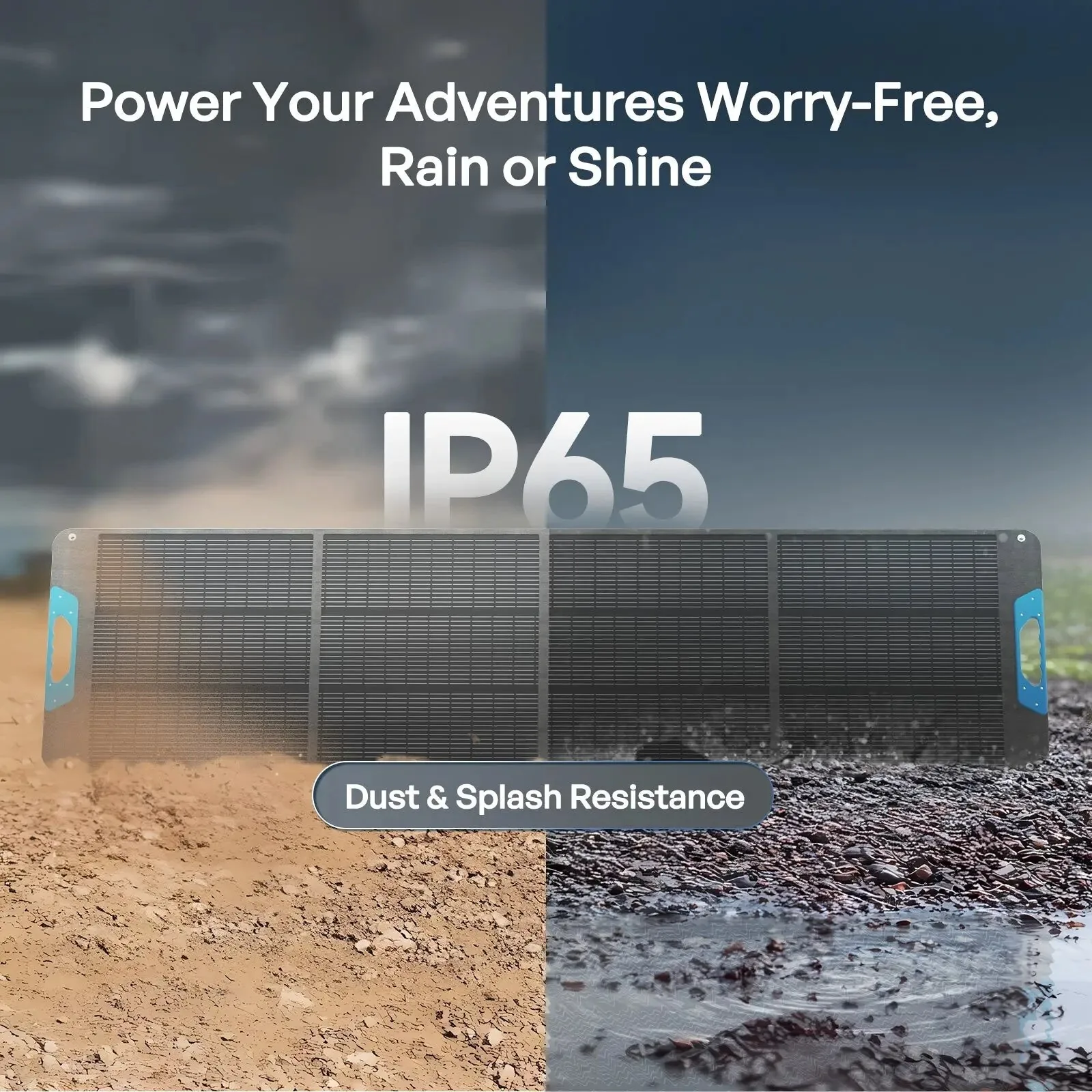
- IP65 is a splash rating, a step below the IP68 of the EcoFlow, Jackery and BougeRV
- Bare MC4 output: EcoFlow, Anker and Jackery stations need an adapter cable
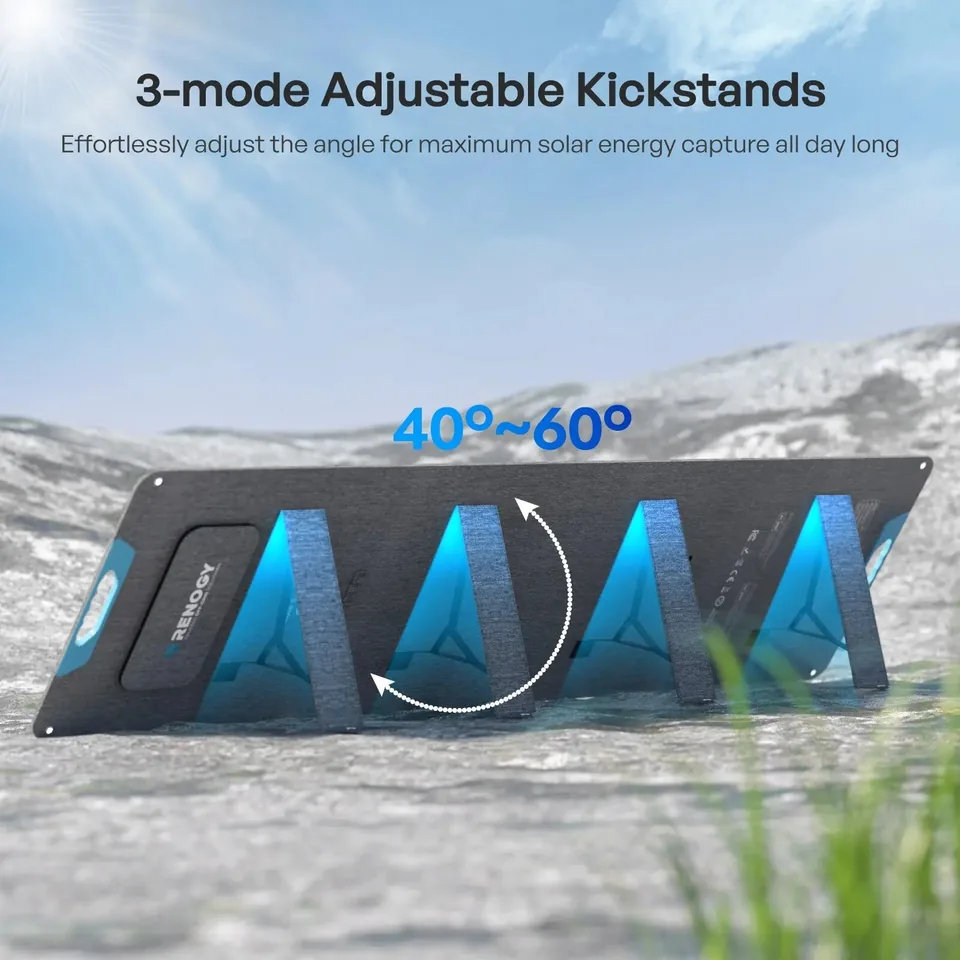
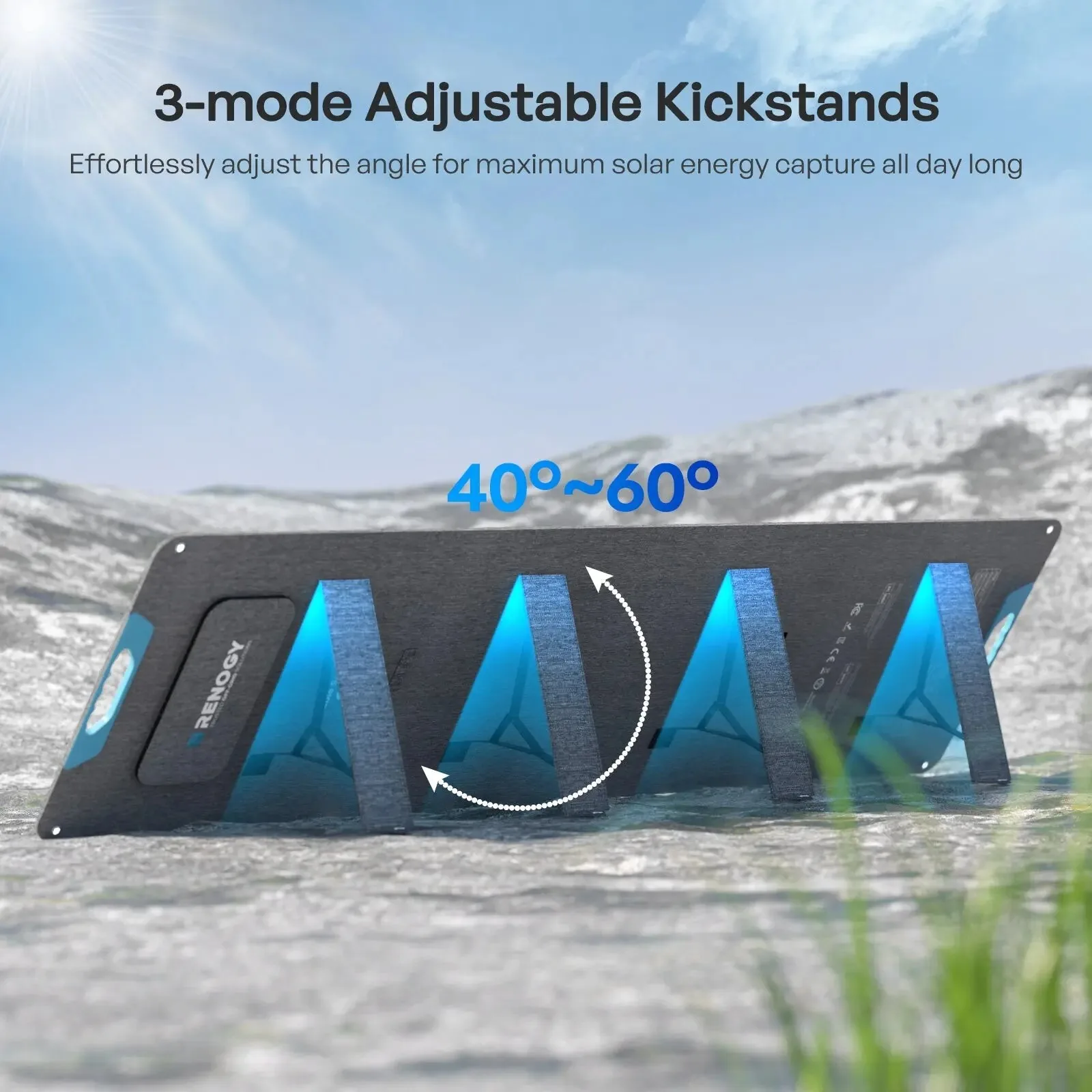
- OutdoorGearLab found the legs harder to adjust than the snap-button stands on some rivals
Key specs
- Rated output
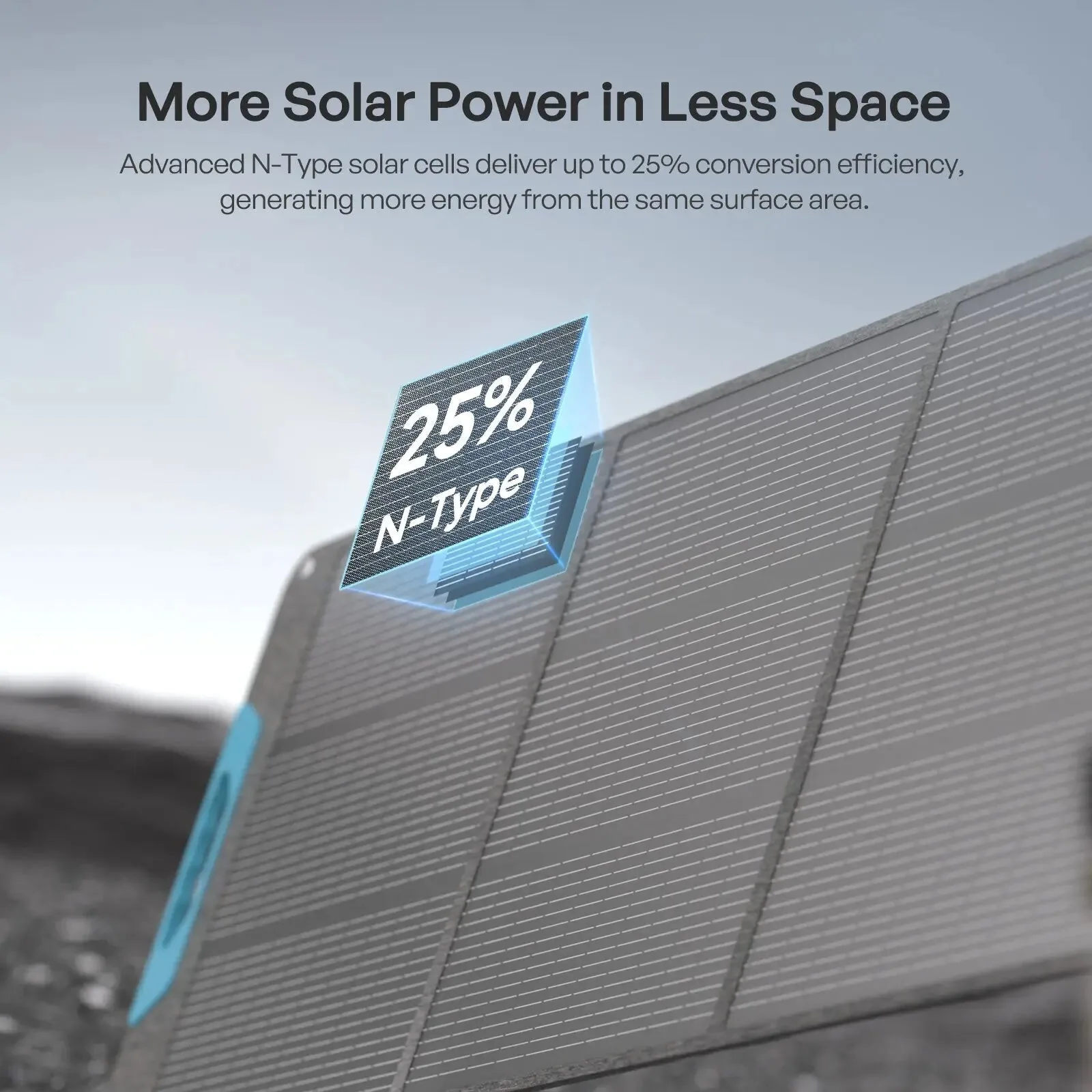
- 200 W; Renogy rates its N-type portable panels at 25 percent cell efficiency
- Measured output
- 177 W, 88 percent of rating (OutdoorGearLab, July 2026)
- Weight
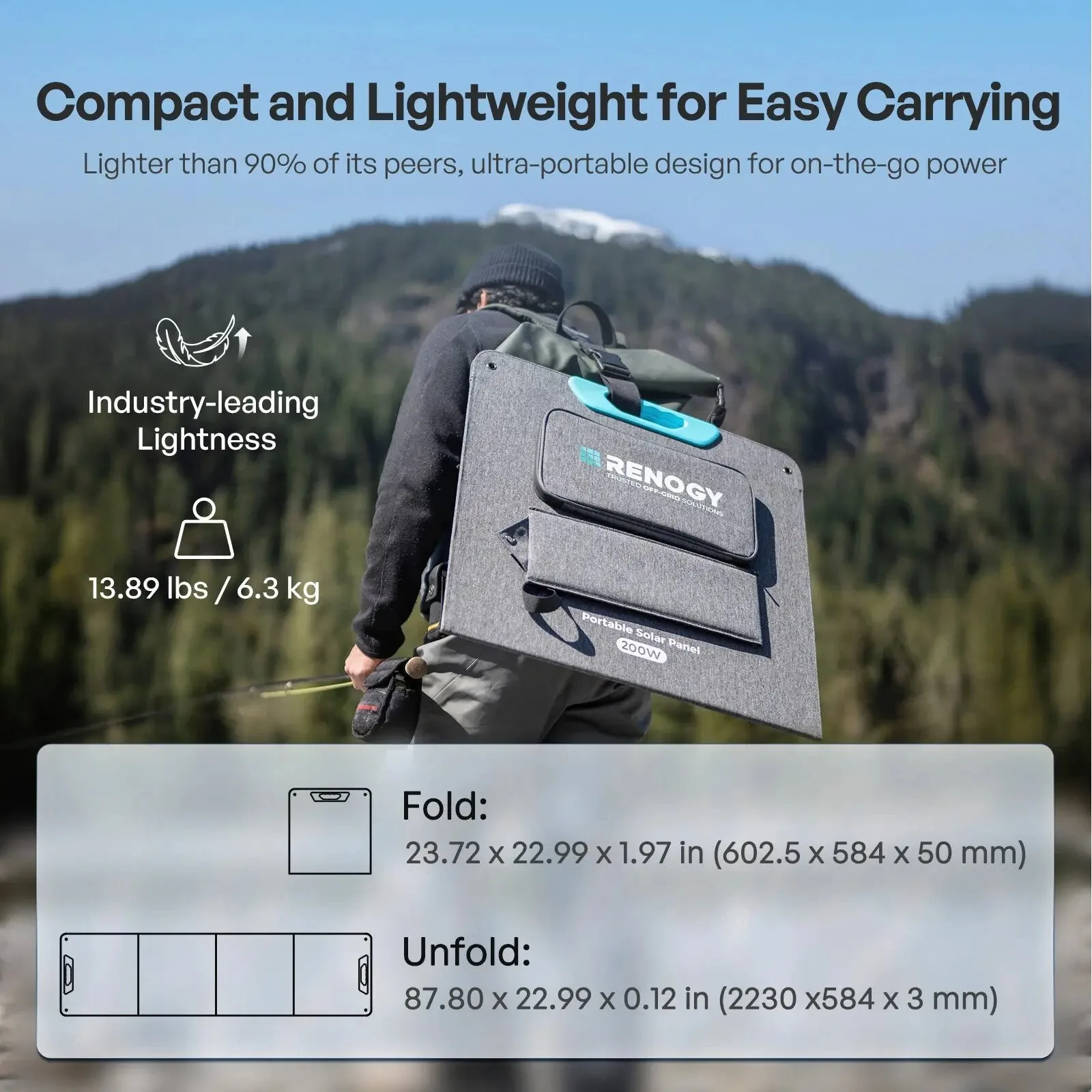
- 14.8 lb (OutdoorGearLab)
- Folded size
- 23.7 x 23.0 x 2.0 in (OutdoorGearLab)
- Outputs
- MC4 solar lead; 1 USB-C and 2 USB-A ports
- Protection
- IP65
- Stand
- Fold-out kickstand legs; magnetic closure on the handle
- Warranty
- 2 years (OutdoorGearLab)
Who it's for
This is the panel for someone who wants most of what a premium folding panel does without paying for the extras. It is the budget pick on our best portable solar panels list, and it is the panel OutdoorGearLab ranked first of 12 in its July 2026 test, naming it both Editors' Choice and the best value among the 200 W models.
It fits campers who charge a mid-size power station on weekends, people who want a panel in the closet for outages, and anyone who likes the idea of topping up a phone straight from the panel while the station charges from the main lead. It is less suited to people who leave a panel out through storms, because its water rating is the lowest on our list.
What stands out
Output for the money. OutdoorGearLab measured 177 W from the 200 W panel, 88 percent of its rating. That ties the EcoFlow as a share of the label and sits 16 W short of it in absolute terms, which in a day of good sun is a small difference. Among the three budget-priced panels in the same test that came with piles of adapters, the best managed 72 percent, so the Renogy's advantage is real rather than a rounding error.
USB ports on the panel. There is one USB-C port and two USB-A ports built into the panel, which OutdoorGearLab counted as a plus for charging devices directly. That is handy at a campsite: the station takes the main solar feed and the phones do not need to queue for its outlets. Renogy rates its N-type portable panels at 25 percent cell efficiency.
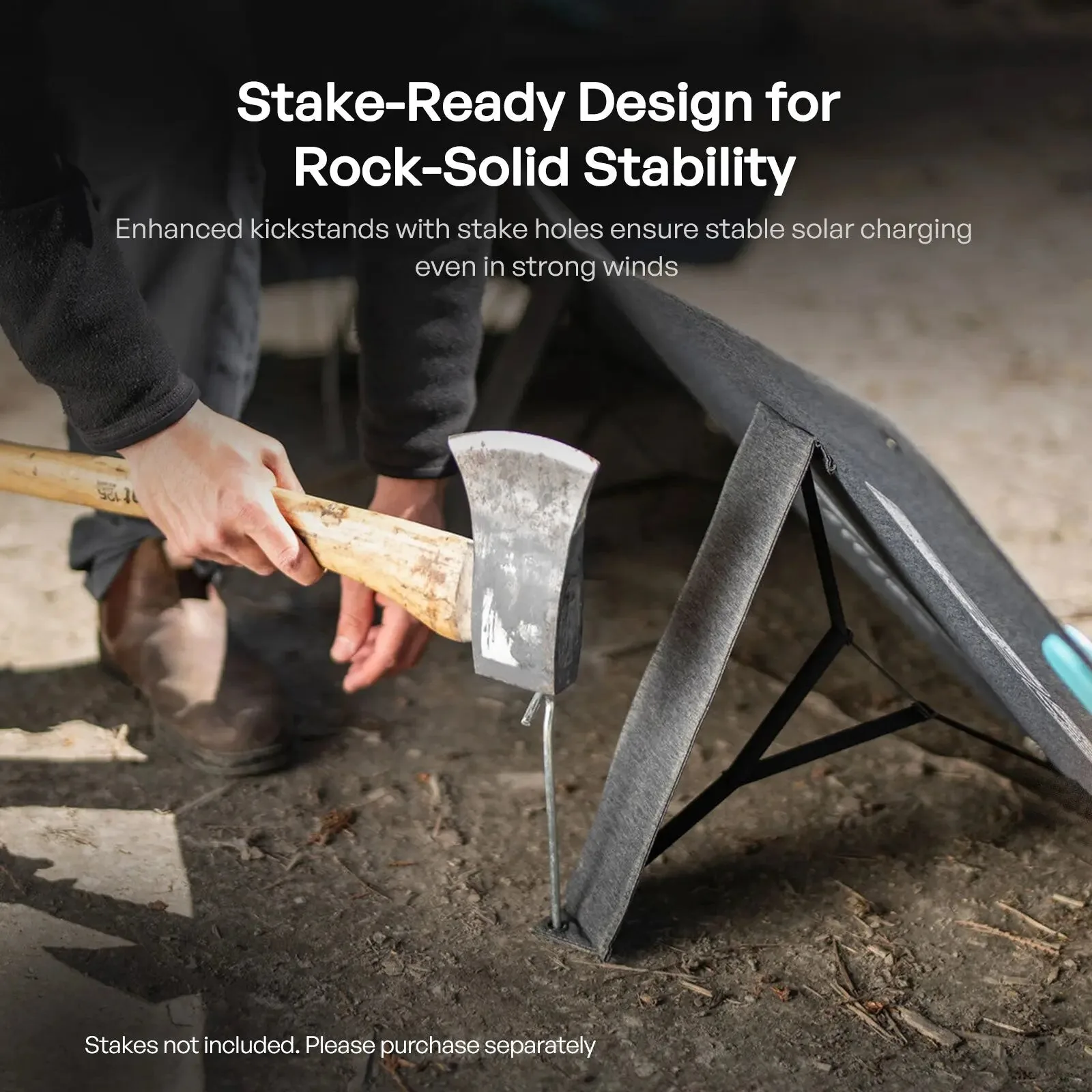
Quick to use. OutdoorGearLab timed setup at 35 seconds, found the legs large and steady enough to feel wind-resistant, and liked the magnetic closure on the handle and the pocket for cables. At 14.8 lb on its scale and 23.7 by 23 inches folded, it is a normal size for a 200 W folding panel.
Where it falls short
Water rating. IP65 means protection against dust and splashing, not immersion. The EcoFlow, Jackery and BougeRV on our list are all IP68. In practice that means bringing the Renogy in before a downpour rather than leaving it staked out overnight.
Connector. The main output is a bare MC4 lead, the standard for solar panels but not for portable stations. EcoFlow and Anker stations take XT60 plugs and Jackery Explorers take DC8020, so plan on an MC4 adapter cable for your station if your listing does not include one. That is a one-time purchase, but it is one more thing to remember.
Legs and listing names. OutdoorGearLab found the leg adjustment fussier than the snap-button stands on the Anker and Bluetti panels it tested. Renogy also sells several folding 200 W panels with similar names and different weights; its E.Flex 200W, for example, is listed at 17.6 lb. Match the listing to this one, with its USB-C and USB-A outputs, before buying.
How it compares
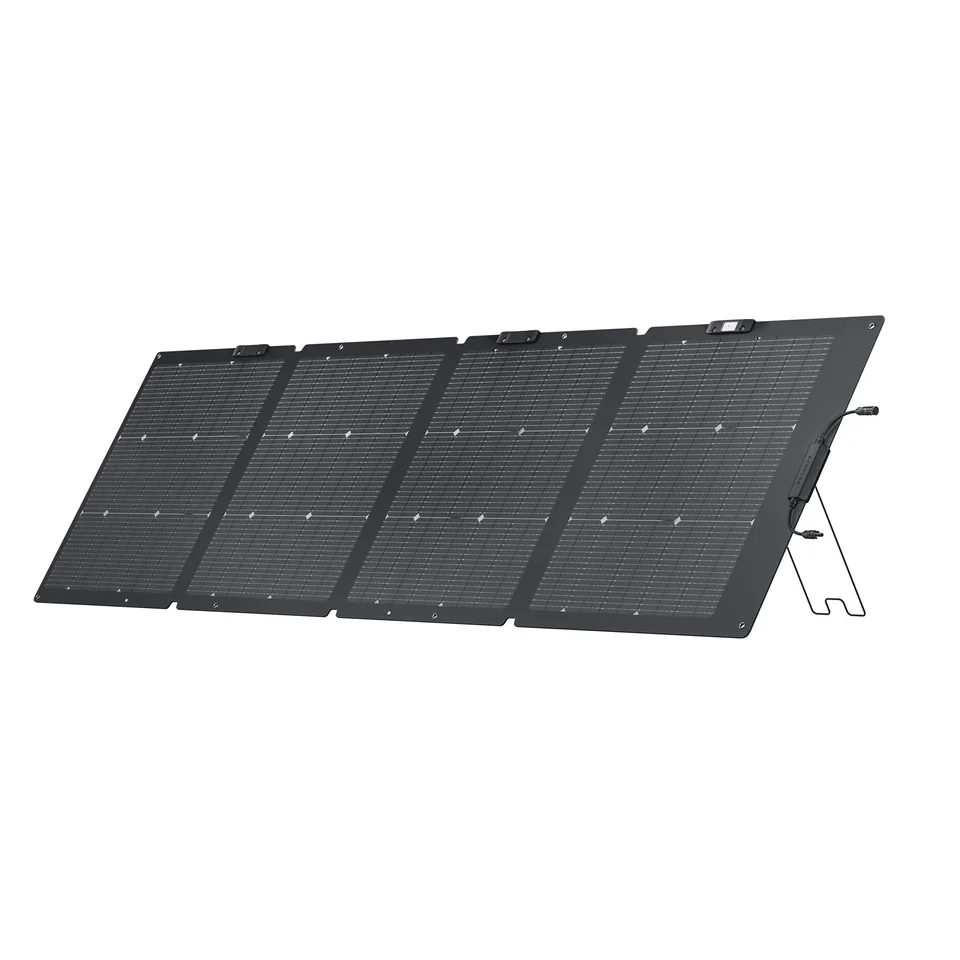
Against the EcoFlow NextGen 220W Bifacial: the EcoFlow measured 16 W more, is IP68 rated, has a built-in angle-adjustable stand and ships with an XT60i cable, but its warranty is one year against the Renogy's two, and it costs more. Pick the EcoFlow for an EcoFlow or Anker station and wet weather; pick the Renogy if value matters most.
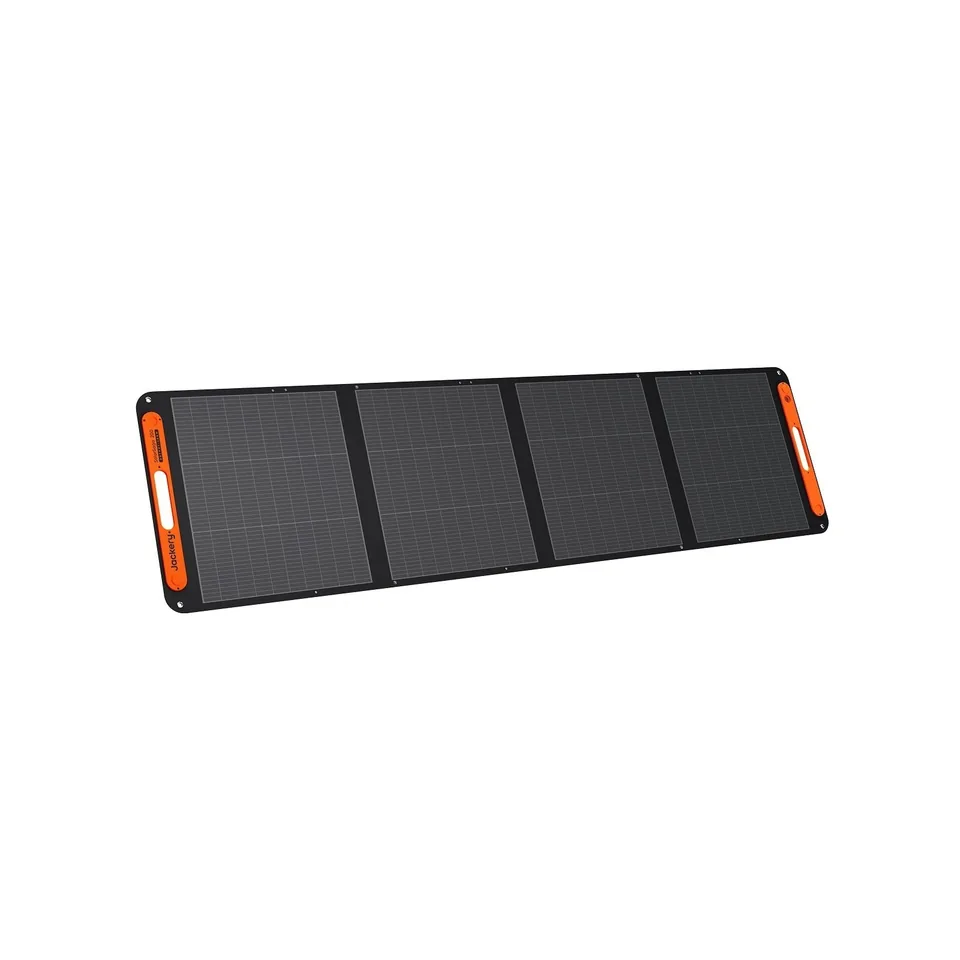
Against the Jackery SolarSaga 200W: the Jackery is 0.6 lb lighter, IP68 and bifacial, and its plug suits Jackery stations, but OutdoorGearLab found its legs wobbly in wind and it sits in a higher price class. For a non-Jackery station the Renogy is the more sensible buy.
For sizing the station behind the panel, see our guide to how many watt-hours you need.
Verdict
Buy the Renogy if you want the best-scoring folding panel of 2026 at a budget price and can live with a splash rating and an adapter cable. Skip it if the panel will sit out in bad weather or if you want a plug that matches your station out of the box.
All 5 sources
- outdoorgearlab.com /topics/camping-and-hiking/best-portable-solar-panel
- outdoorgearlab.com /reviews/camping-and-hiking/portable-solar-panel/renogy-200w-portable
- renogy.com /collections/portable-solar-panels
- renogy.com /products/renogy-e-flex-200w-portable-solar-panel
- cpsc.gov /Recalls
The other picks in Portable Solar Panels for Power Stations
Compare all 4-
Best overall
EcoFlow NextGen 220W Bifacial Portable Solar Panel
Check price on Amazon(paid link) for EcoFlow NextGen 220W Bifacial Portable Solar Panel (opens in a new tab) -
Best premium
Jackery SolarSaga 200W Bifacial Portable Solar Panel
Check price on Amazon(paid link) for Jackery SolarSaga 200W Bifacial Portable Solar Panel (opens in a new tab) -
Best for van and RV roofs
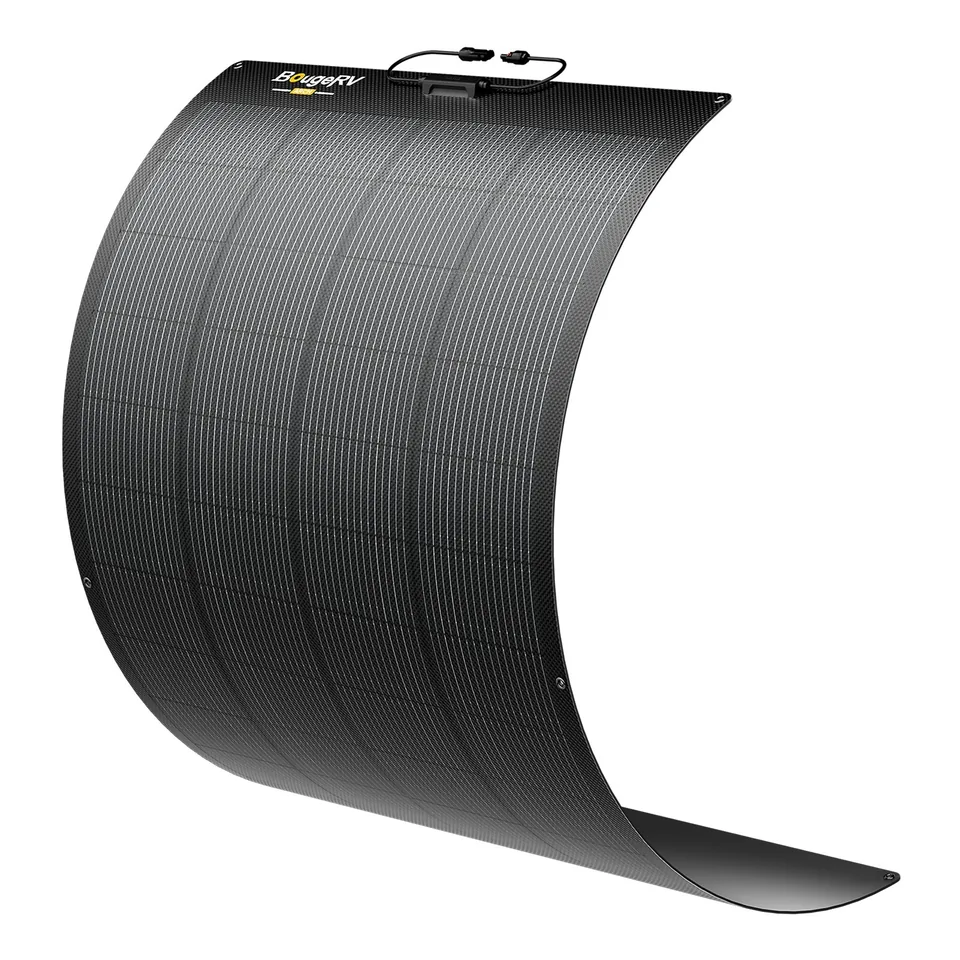
BougeRV Arch 2.0 200W N-Type Flexible Solar Panel
Check price on Amazon(paid link) for BougeRV Arch 2.0 200W N-Type Flexible Solar Panel (opens in a new tab)