NextPick4You All guides

KitchenAid Artisan vs Classic: Which Tilt-Head Stand Mixer Should You Buy?

The Artisan and the Classic share one tilt-head body, ten speeds, the same attachment hub and the same footprint. What separates them is 50 W, half a quart, a handle on the bowl, a pouring shield in the box and about 27 colors.

Ad disclosure: we earn a commission on Amazon links, at no cost to you. It never decides our picks. How this works

Best overall in Stand Mixers

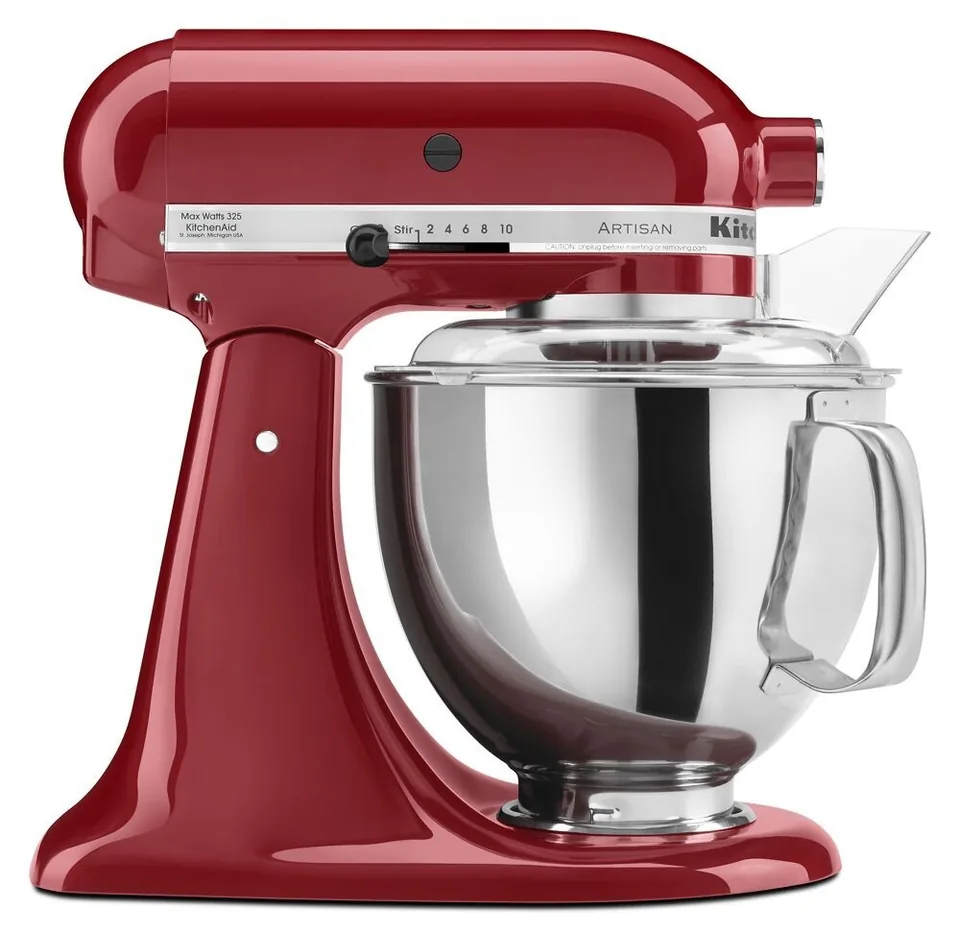
KitchenAid Artisan Series 5 Quart Tilt-Head Stand Mixer (KSM150PS)

The stand mixer to buy if you bake most weeks: TechGearLab's top-scoring model for whipping and kneading, with a handled 5-quart bowl, a pouring shield and the full hub attachment range. Skip it only if you knead stiff bread dough weekly or need a machine you can lift in and out of a cupboard.

Best for beginners and small kitchens in Stand Mixers

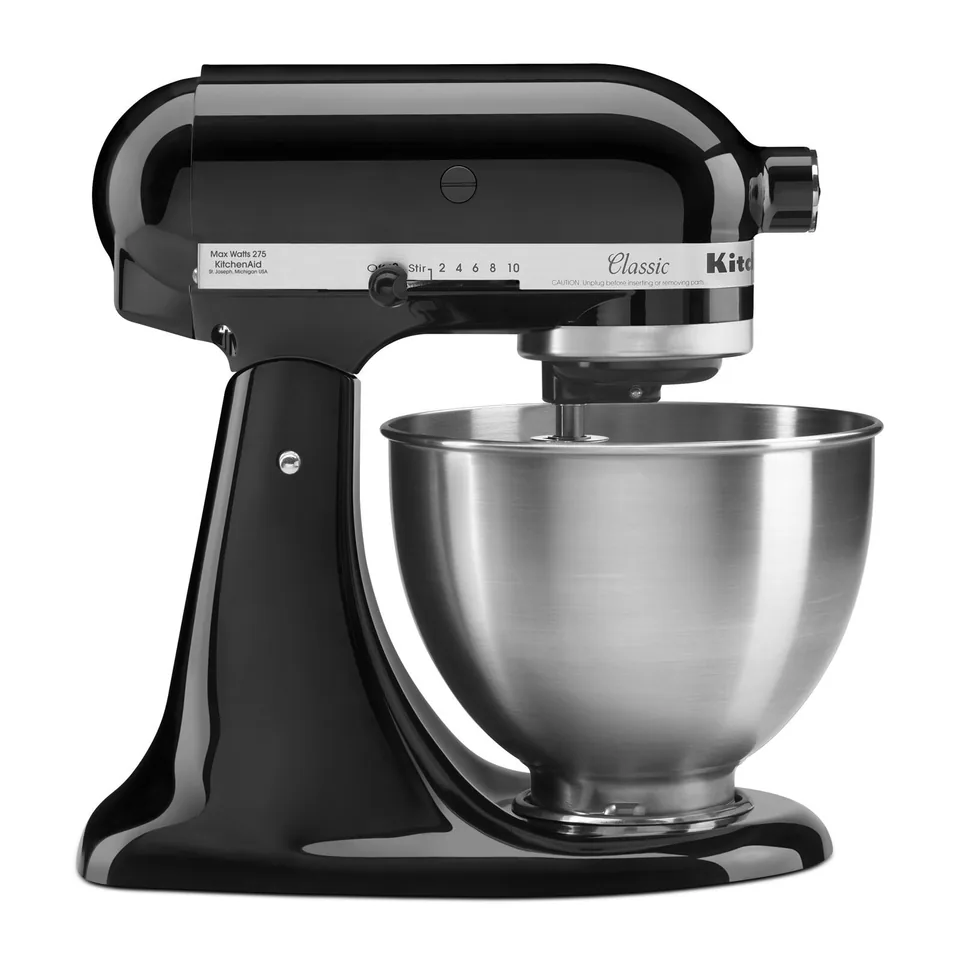
KitchenAid Classic Series 4.5 Quart Tilt-Head Stand Mixer (K45SS)

The right first KitchenAid for occasional bakers and small kitchens: the same tilt-head body and hub as the Artisan with a 4.5-quart bowl and a 275 W motor. It gives up the bowl handle, the pouring shield and some kneading headroom, which matters only if bread is your main use.

KitchenAid Artisan Series vs KitchenAid Classic Series, row by row

The better result in each row is marked. Unmarked rows are a tie or a matter of preference.

Figures from the manufacturers' spec sheets and the independent tests cited on each product's review page.
FeatureKitchenAid Artisan Series 5 Quart Tilt-Head Stand Mixer (KSM150PS)KitchenAid Classic Series 4.5 Quart Tilt-Head Stand Mixer (K45SS)
MotorKitchenAid Artisan Series, better: 325 W BetterKitchenAid Classic Series: 275 W
BowlKitchenAid Artisan Series, better: 5 qt polished stainless steel BetterKitchenAid Classic Series: 4.5 qt brushed stainless steel
Bowl handleKitchenAid Artisan Series, better: Yes BetterKitchenAid Classic Series: No
Pouring shieldKitchenAid Artisan Series, better: One-piece shield included BetterKitchenAid Classic Series: Not included
Batch capacity (KitchenAid)KitchenAid Artisan Series, better: 9 dozen cookies; Flour Power 9 cups BetterKitchenAid Classic Series: 8 dozen cookies; Flour Power 8 cups
SpeedsKitchenAid Artisan Series: 10KitchenAid Classic Series: 10
Attachment hubKitchenAid Artisan Series: Yes, fits all KitchenAid hub attachmentsKitchenAid Classic Series: Yes, fits all KitchenAid hub attachments
Weight (TechGearLab scale)KitchenAid Artisan Series: 21.3 lbKitchenAid Classic Series: 21.1 lb
ColorsKitchenAid Artisan Series, better: More than 20 (29 counted at retail by TechGearLab) BetterKitchenAid Classic Series: 2 counted at retail by TechGearLab
WarrantyKitchenAid Artisan Series: 1 year (Consumer Reports listing)KitchenAid Classic Series: 1 year (Consumer Reports listing)
On AmazonCheck price on Amazon(paid link) for KitchenAid Artisan Series 5 Quart Tilt-Head Stand Mixer (KSM150PS) (opens in a new tab)Check price on Amazon(paid link) for KitchenAid Classic Series 4.5 Quart Tilt-Head Stand Mixer (K45SS) (opens in a new tab)

Motor and kneading

The spec sheets say 325 W for the Artisan and 275 W for the Classic. On their own those figures tell you little, because wattage is power drawn, not power delivered to the dough. The independent numbers are more useful. In TechGearLab's May 2025 stand mixer test, the Artisan brought sandwich-bread dough to a windowpane in 7 minutes and the Classic needed 9. The Artisan's loaf then rose to between 1.75 and 2 inches; the Classic's stopped near 1.5 inches, with a denser, chewier crumb.

Two minutes and a quarter inch of rise are real but not dramatic. Where the gap widens is at the edge of the Classic's capacity. Its manual caps yeast doughs at speed 2, TechGearLab noted the head jumping slightly under heavy cookie mix-ins, and the housing warms on long runs. The Artisan showed no strain on the same cookie dough and needed no bowl scrape during the knead. If bread is a monthly project, either machine copes. If it is a weekly one, the Artisan is the floor, and for big or stiff batches the KitchenAid 7 Quart Bowl-Lift is the honest answer.

Whipping is closer. The Artisan took one cup of cream to stiff peaks in 1 minute 50 seconds; the Classic took about 2 minutes, and both whipped a half cup in 2 minutes or less, faster than any other mixer in that test. For cakes, meringue and whipped cream, the difference is seconds.

Bowl, handle and shield

This is where most buyers will feel the money. The Artisan's 5-quart bowl is polished, has a handle and comes with a one-piece pouring shield. The Classic's 4.5-quart bowl is brushed, has no handle and ships without a shield. TechGearLab flagged the missing handle as the Classic's most irritating everyday flaw: lifting a full bowl of dense dough off the base, or pouring batter into a pan one-handed, is awkward without one.

The shield matters less than it sounds. On any tilt-head, the head sits over the bowl while it runs, so flour goes in through the shield's chute on the Artisan or over the rim with the head tilted on the Classic. TechGearLab lists the blocked bowl as the Artisan's main con too; the shield reduces splatter but does not fix the access problem. The handle, on the other hand, is something you will use every time.

Both bowls, beaters and hooks are dishwasher safe according to the Consumer Reports listings; the wire whips are hand-wash. The Artisan's flat beater height is adjustable; the Classic's was correctly set from the factory in TechGearLab's sample.

Batch capacity

KitchenAid rates the Artisan for 9 dozen cookies per batch at 28 g each, with a Flour Power rating of 9 cups. The Classic is rated for 8 dozen and 8 cups. Half a quart is roughly one extra loaf's worth of dough or one more dozen cookies, not a change in category. Anyone who regularly doubles bread recipes will find both bowls tight; that is a bowl-lift job, and our best stand mixers list explains where the 7-quart bowl of the KitchenAid 7 Quart Bowl-Lift, rated for 13 dozen cookies, fits.

What is identical

Ten speeds on the same slide control. The same planetary action, which KitchenAid quotes at 59 touchpoints per rotation for both. The same front power hub, so the pasta roller, food grinder, slicer and every other KitchenAid attachment fit the Classic exactly as they fit the Artisan. The same 13.9 x 8.7 x 14.1 in footprint. And nearly the same mass: TechGearLab's scale read 21.3 lb for the Artisan and 21.1 lb for the Classic. Neither is a mixer you put away after every use, and neither is easier to lift than the other.

That list is the reason the Classic is a good buy. The attachment hub is what makes a KitchenAid worth owning for a decade, and the Classic gives it up nothing.

Colors and warranty

KitchenAid offers the Artisan in more than 20 finishes; TechGearLab counted 29 at retail. The Classic comes in two. If the mixer will live on the counter, and at 21 lb it will, that matters more than it does for a hidden appliance.

Both carry a one-year warranty in the Consumer Reports listings. There is no warranty advantage either way.

Who should buy which

Buy the KitchenAid Classic K45SS if you bake cookies, cakes and the occasional loaf a few times a month, your kitchen is small, and the saving over the Artisan can go elsewhere. TechGearLab ranked it second of ten mixers and named it best for beginners, and nothing about its body, hub or controls is second-rate. You give up the handle, the shield, one dozen cookies of headroom and most of the color chart.

Buy the KitchenAid Artisan KSM150PS if you bake most weeks, knead a loaf now and then, or simply want the handled bowl and the finish you chose. It is TechGearLab's top-scoring stand mixer, it kneaded two minutes faster with a better rise, and the everyday conveniences are the ones you will notice.

Skip both if stiff or doubled bread dough is a weekly routine. Neither tilt-head has a direct-drive steel-gear transmission, and the Classic's speed-2 limit for yeast dough is a tell. The KitchenAid 7 Quart Bowl-Lift brings 500 W, all-metal gears, a 7-quart bowl on a bowl-lift frame and a spiral hook, and America's Test Kitchen ran 12 consecutive dough batches through it. It is taller, heavier and slower to whip small amounts, and that is the trade a bread baker should make.

Which one should you buy?

Buy the Classic K45SS if you bake cookies and cakes a few times a month, the counter is small and the budget is the first constraint; it whips nearly as fast and takes every attachment. Buy the Artisan KSM150PS if you bake most weeks, make bread now and then, or want the handle, the shield and a color that matches the kitchen. If big batches of stiff bread dough are a weekly job, skip both for the bowl-lift KitchenAid 7 Quart.

All 7 sources
  1. kitchenaid.com /p.KSM150PSER.html
  2. kitchenaid.com /p.K45SSOB.html
  3. techgearlab.com /reviews/kitchen/stand-mixer/kitchenaid-artisan
  4. techgearlab.com /reviews/kitchen/stand-mixer/kitchenaid-classic-series
  5. techgearlab.com /topics/kitchen/best-stand-mixer
  6. consumerreports.org /appliances/mixers/kitchenaid-artisan-ksm150pser/m406942
  7. consumerreports.org /products/stand-mixer/kitchenaid-classic-250-watt-k45sswh-64154/overview